22 Lob Hairstyles for Fine Hair That Add Instant Density and Shape
Fine hair and lobs have a quiet chemistry that stylists rely on: the length lands in the exact zone where blunt weight at the perimeter fakes density better than any product can. The mistake most people make is asking for heavy layering to "add movement," which does the opposite on fine strands. It scatters the ends and reads sparse. A well-cut lob keeps the visual weight where fine hair needs it most, right at the bottom line where the eye reads thickness. These 22 variations play with that principle in different ways, from blunt precision to soft bevels to strategic color that tricks the eye into seeing fullness that isn't technically there.
Jump to:
- Classic Blunt Lob
- Blunt Lob With Internal Bevel
- Wavy Tousled Lob
- Shaggy Lob
- Lob With Curtain Bangs
- Lob With Wispy Side Bangs
- Lob With Blunt Bangs
- A-Line Lob
- Inverted Lob
- Asymmetrical Lob
- French Girl Lob
- Layered Lob With Face-Framing Pieces
- Money Piece Lob
- Lob With Balayage
- Root Shadow Lob
- Center-Part Sleek Lob
- Deep Side-Part Lob
- Feathered Lob
- Curled-Under Flippy Lob
- Blowout Lob
- Rounded Lob
- Lob With Hidden Underlights
Classic Blunt Lob
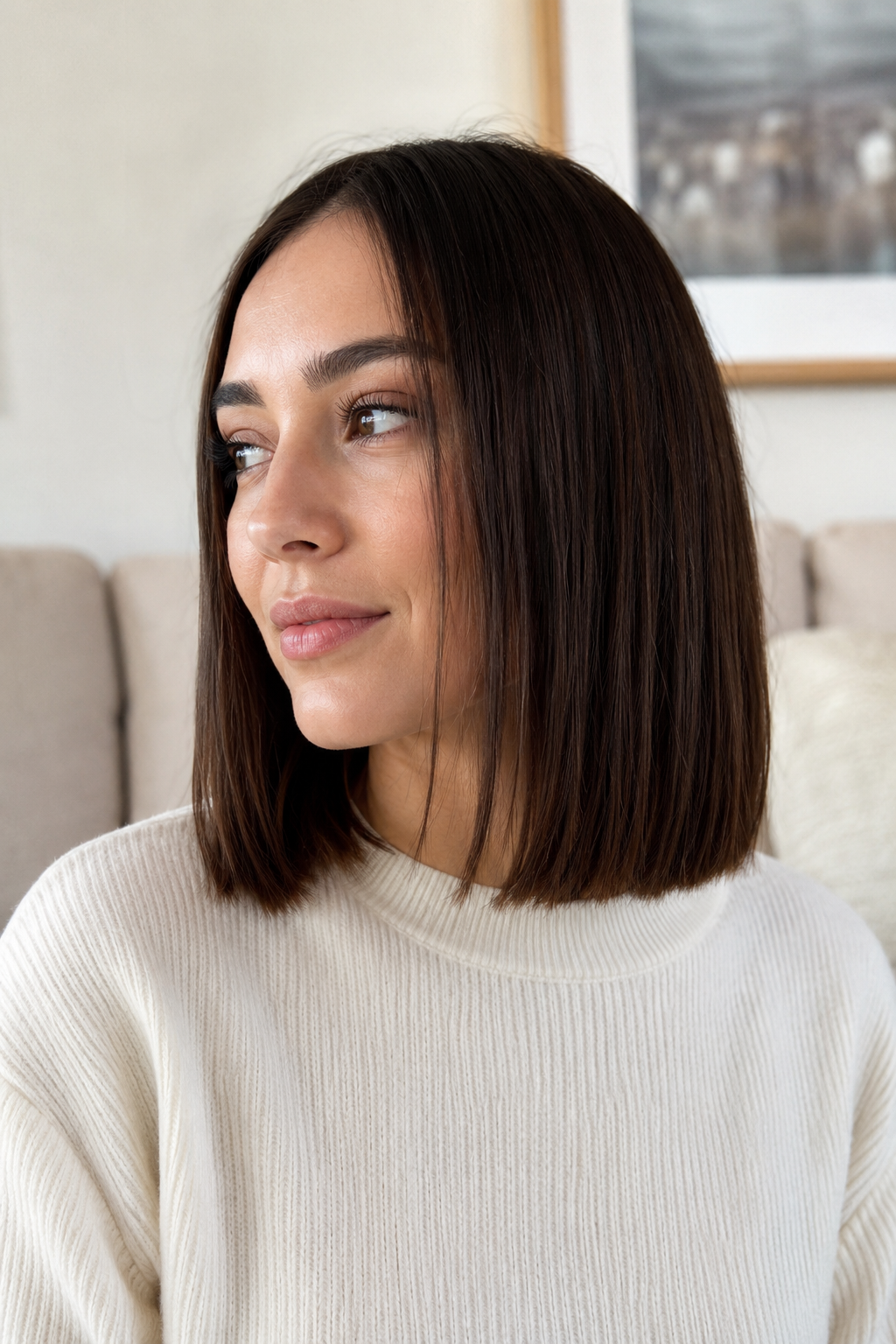
Blunt perimeter, no layers, one clean line right at the collarbone. This is the fine hair benchmark for a reason. The sharp bottom edge concentrates every strand at the same point, which the eye registers as density. Stylists often pair it with a soft internal bevel so the ends tuck under just slightly, giving a rounded finish. Straight-iron the ends for a mirror shine that amplifies the fullness illusion.
Blunt Lob With Internal Bevel
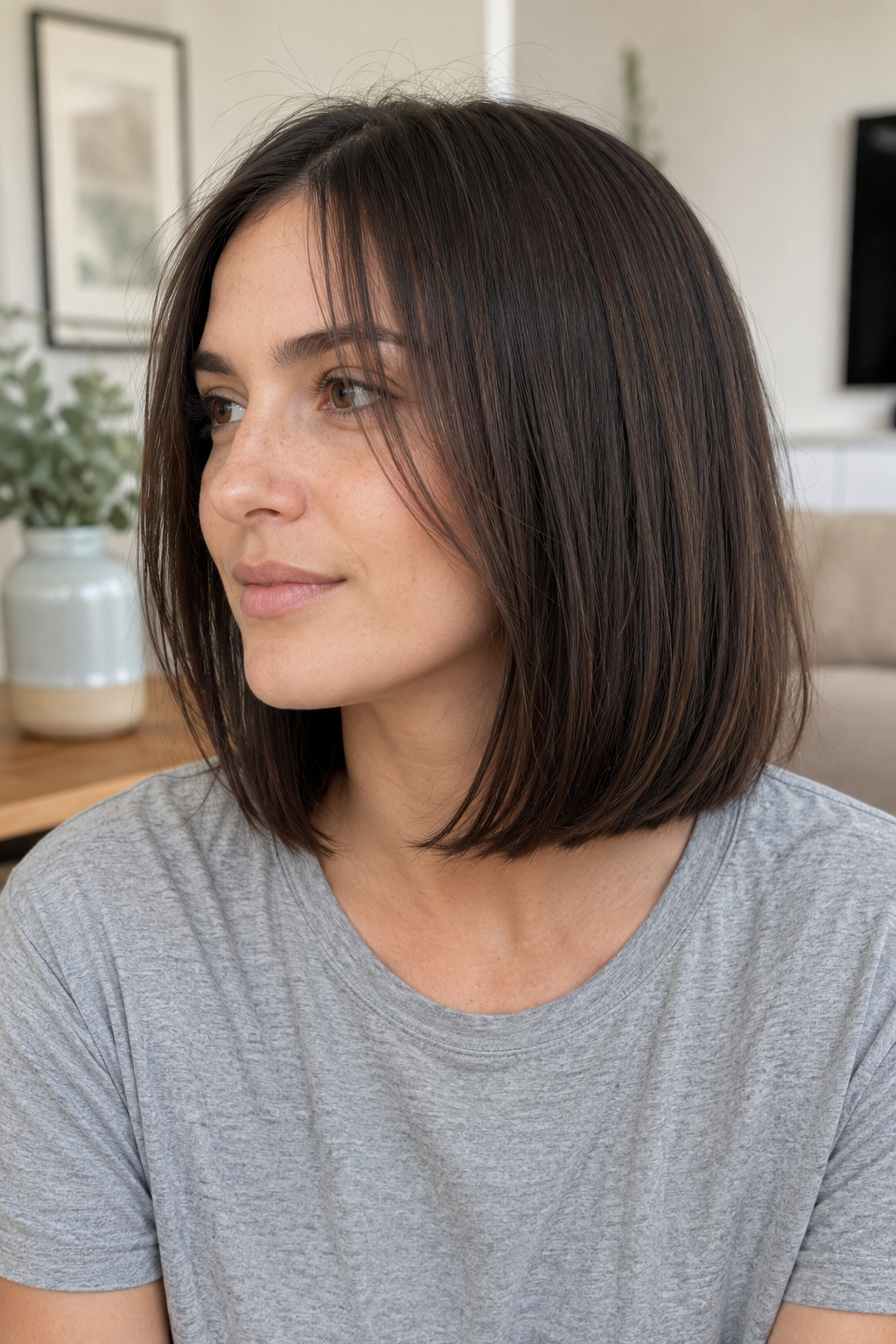
Same clean perimeter as the classic, but with a subtle internal graduation that tucks the ends inward. The bevel does the work of a round brush without needing one, which matters when fine hair loses its bounce by lunchtime. Ask for the graduation to sit near the nape only, not through the mid-lengths. Anywhere higher and you lose the density illusion the blunt line is meant to create.
Wavy Tousled Lob
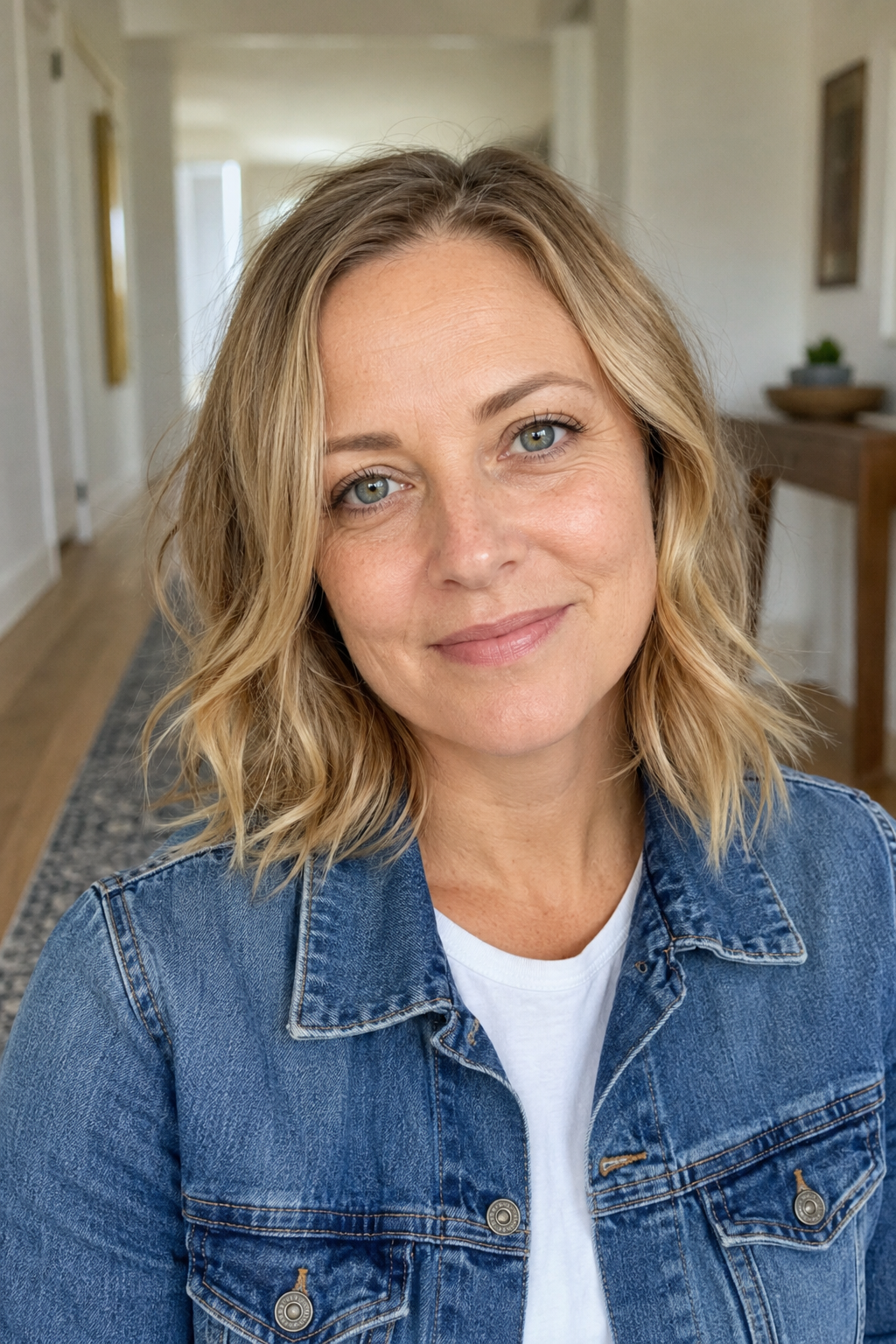
Loose, undone waves running through a collarbone-length base give fine hair the appearance of thicker strands through sheer texture. The bends catch light differently along their length, which reads as volume even when the hair itself is fine. Skip the tight curl and go for a soft S-wave. Salt spray or a light mousse before styling holds the shape without weighing the strands down flat.
Shaggy Lob
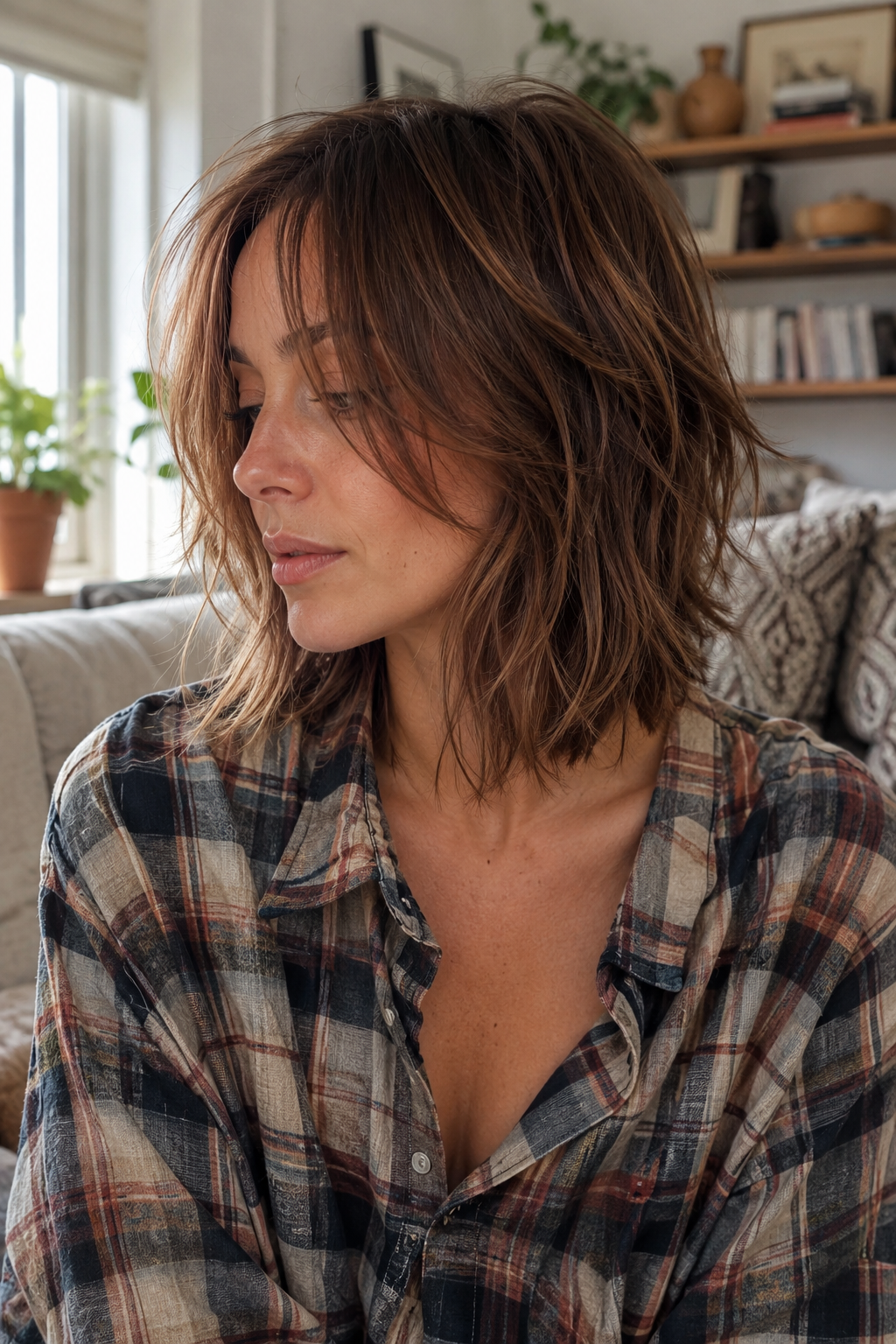
Piecey, choppy internal layers throughout with a slightly ragged perimeter give this cut its 70s edge. On fine hair, the trick is keeping the shag concentrated in the top third and leaving the ends heavier so the shape doesn't collapse. Ask specifically for point-cutting rather than razoring, since razored ends read wispy on fine hair, which works against you. Air-dry with a curl cream for the lived-in finish.
Lob With Curtain Bangs
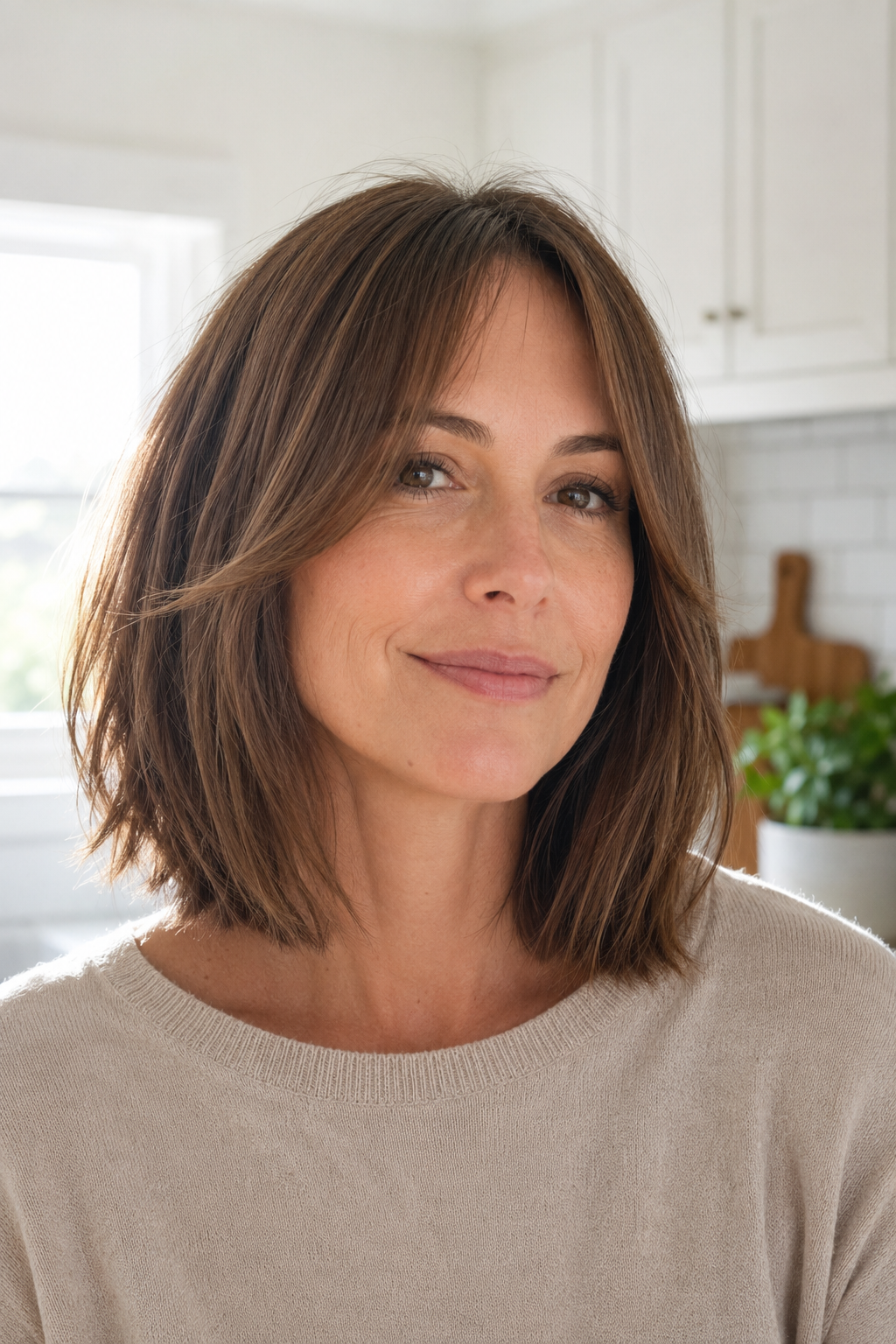
Curtain fringe that sweeps softly to either side of the face pairs beautifully with a collarbone lob on fine hair. The bangs add fullness at the front where the eye lands first, which distracts from any thinness through the mid-lengths. Grow the fringe to just past the cheekbones for the modern proportion. A small amount of mousse worked into the roots of the bangs gives them enough body to hold their curve.
Lob With Wispy Side Bangs
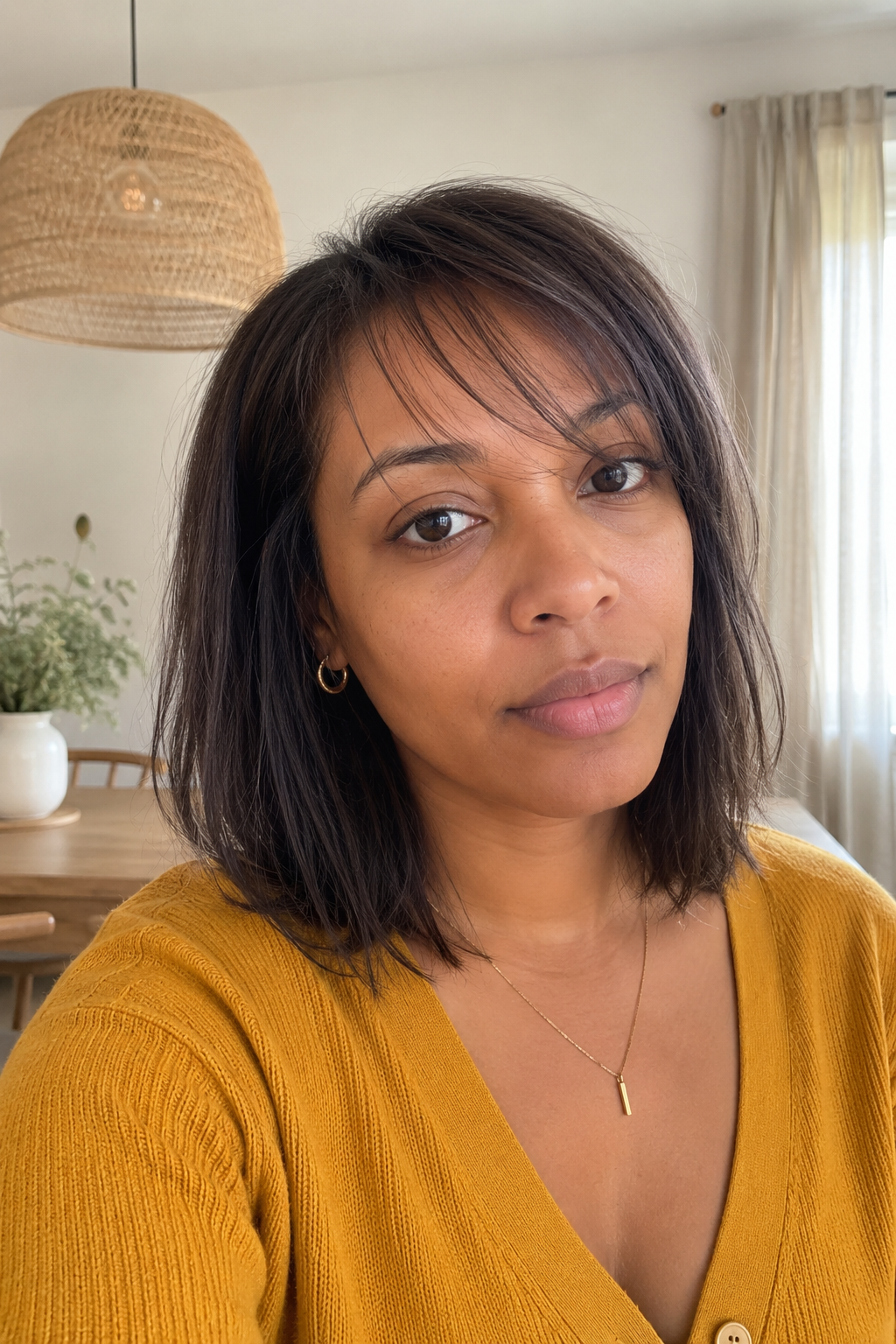
Longer than curtain bangs but shorter than face-framing layers, wispy side bangs skim across the forehead and merge into the lengths on one side. On fine hair, they add visual weight at the front without demanding daily heat styling. Keep them slightly longer than you think, since fine side bangs cut too short can stick straight out. A drop of styling oil on the ends keeps them lying flat against the face.
Lob With Blunt Bangs
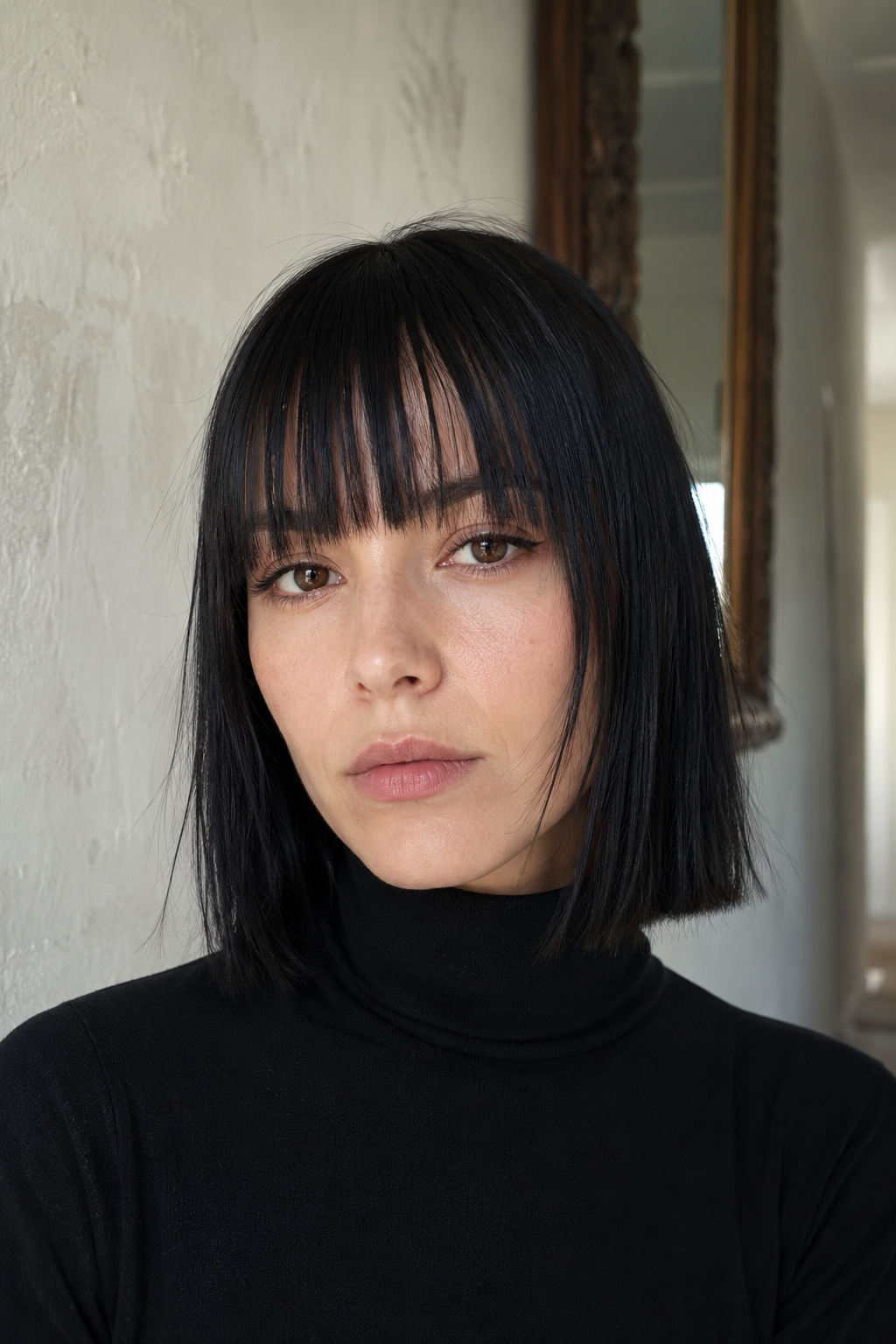
A heavy straight-across fringe over a blunt-perimeter lob creates strong horizontal lines both top and bottom, which frames fine hair with structure it otherwise lacks. The density of the fringe compensates for any sparseness elsewhere in the cut. Blunt bangs need weekly trims to stay sharp, so factor that in. Also worth knowing: this style shows scalp at the part, so pair it with a good root spray.
A-Line Lob
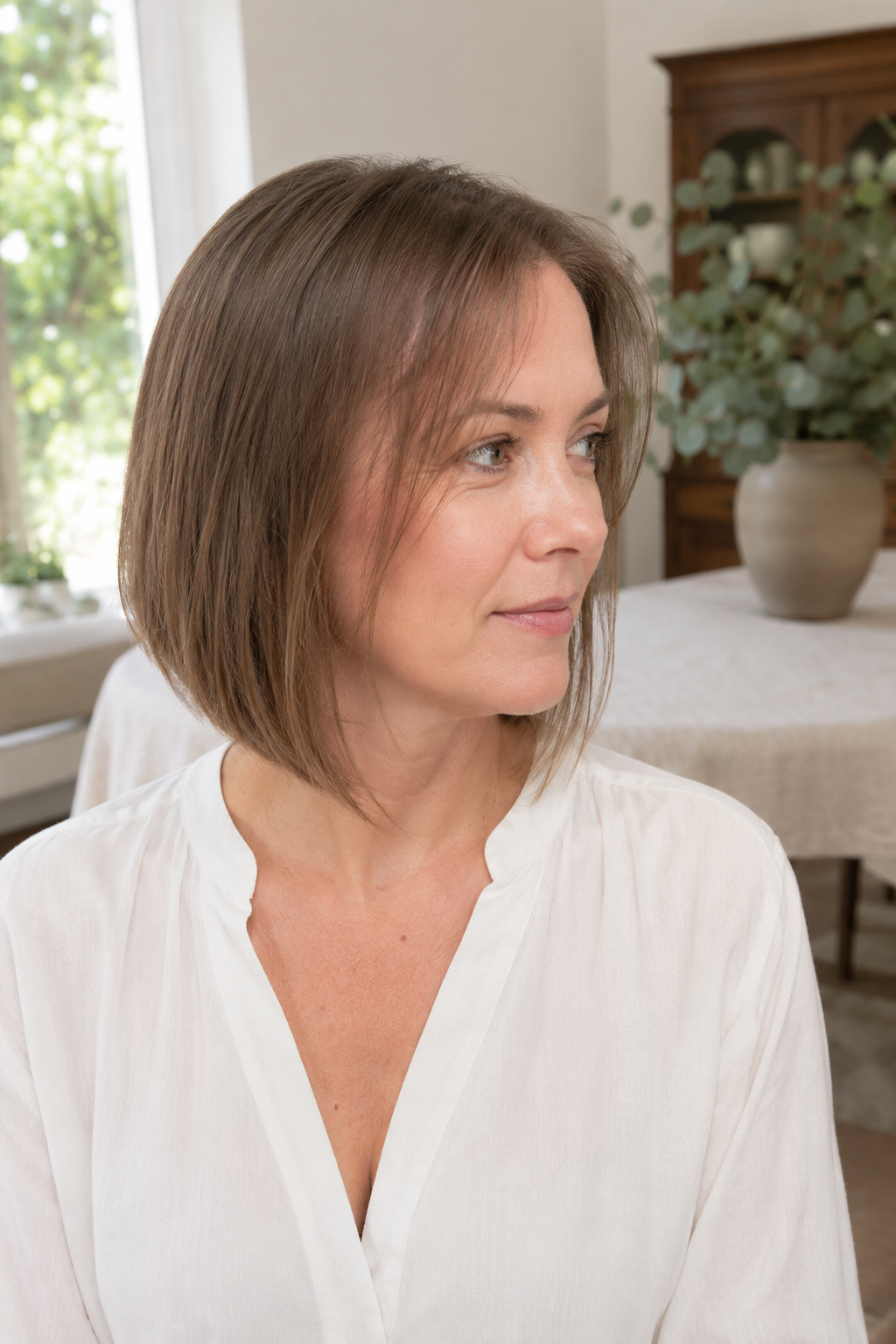
Shorter at the back and gradually longer toward the front, the A-line lob draws the eye down along the face, which elongates and slims. On fine hair, the graduated back sits fuller because the shorter length stacks the perimeter closer together, adding density where you feel it most, right below the ears. Ask for the angle to stay subtle since a steep A-line can look dated. Style straight or with a slight inward curl.
Inverted Lob
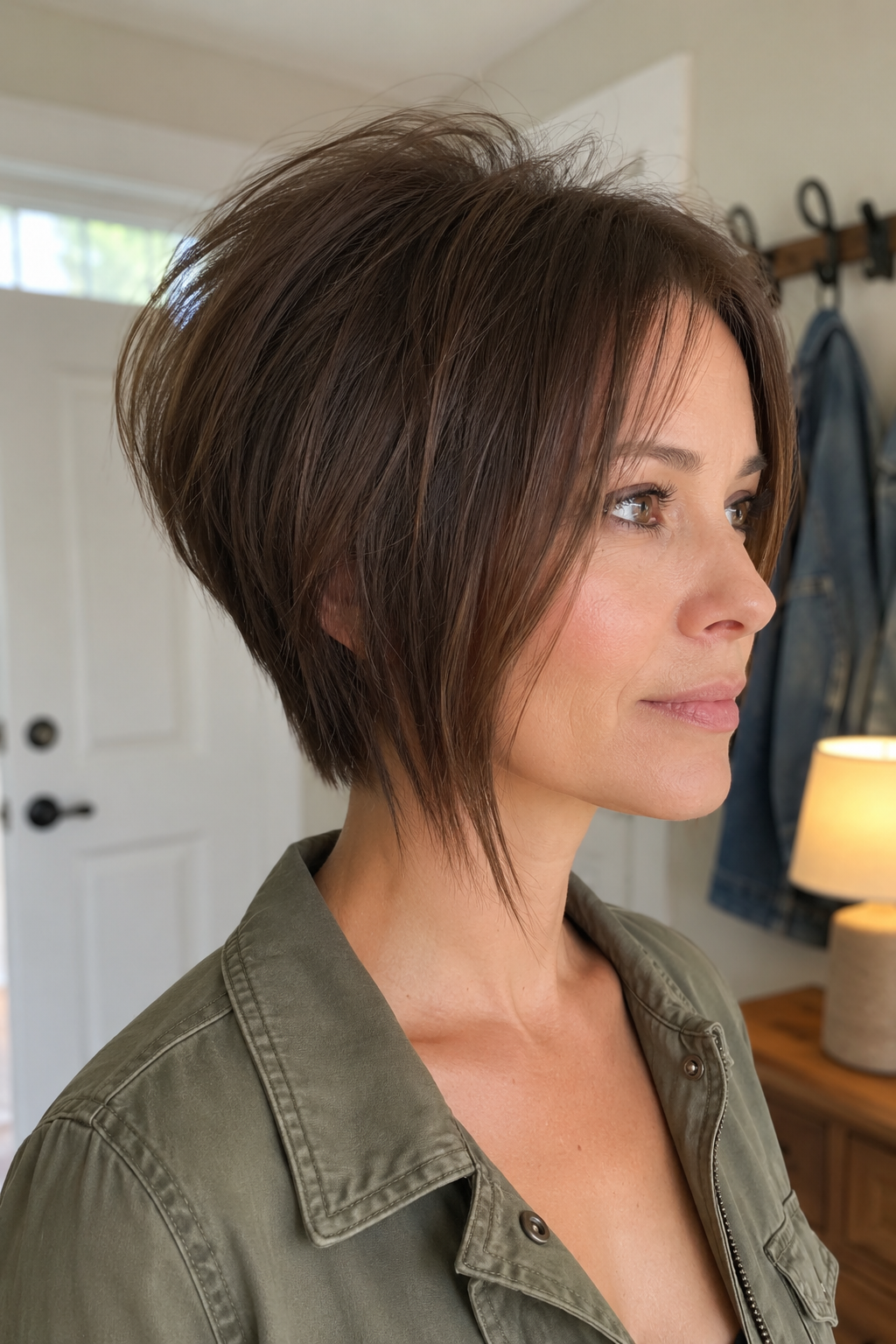
Similar to the A-line but with stacked layers at the back that lift and round the crown area. Fine hair benefits from this shape because the stacking builds visual volume right where flatness usually shows up first, at the back of the head. Blow-dry with a round brush working upward at the crown to lock in the lift. Any styling wax at the roots underneath adds an extra grip for the fullness.
Asymmetrical Lob
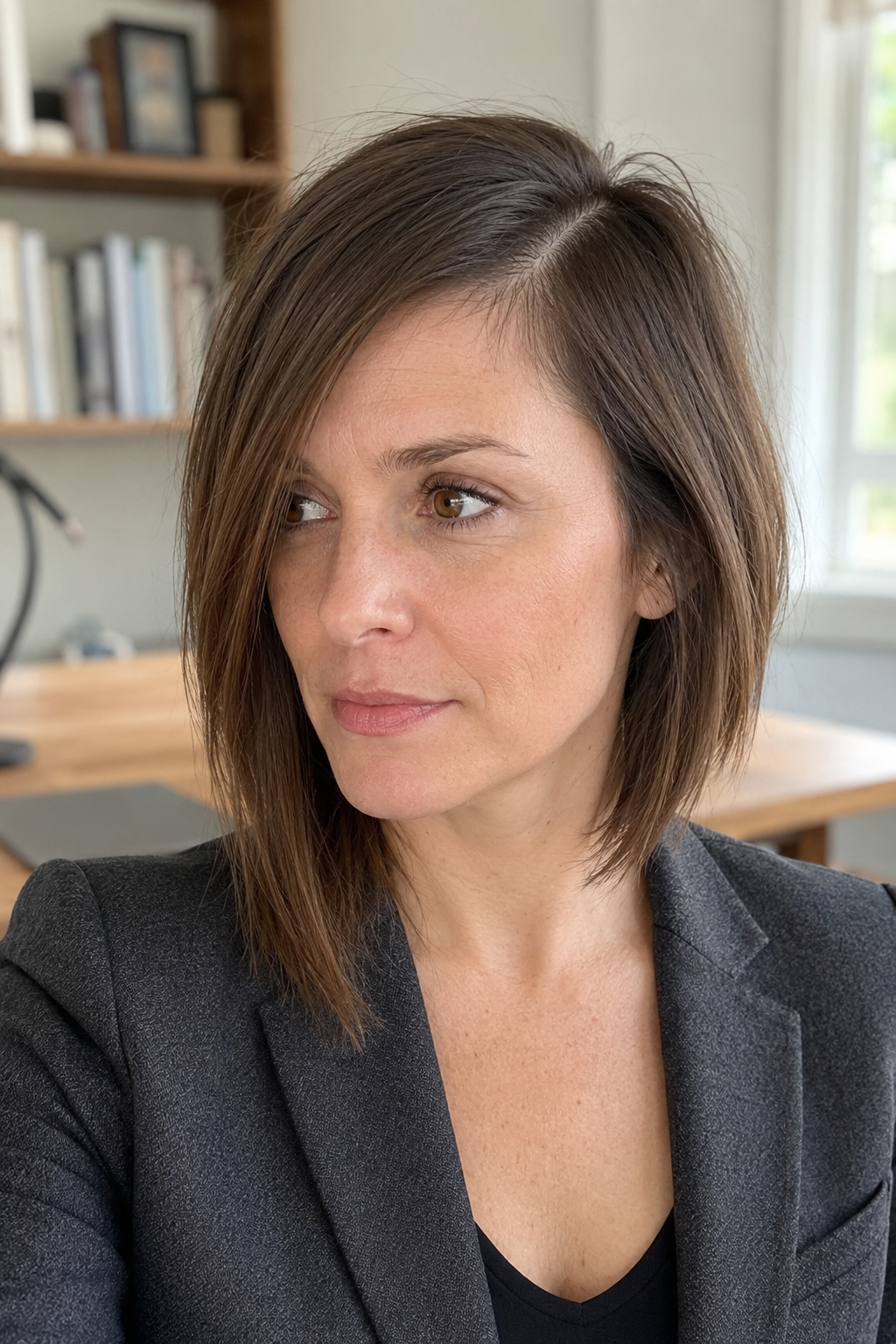
One side longer than the other by an inch or two creates a modern edge and adds visual interest that distracts from fine hair's usual flatness. This works especially well with a deep side part on the longer side, since the parting itself contributes to the height at the crown. Keep the perimeter blunt on both sides for the density illusion. Style with a lightweight cream to hold the asymmetry clean.
French Girl Lob
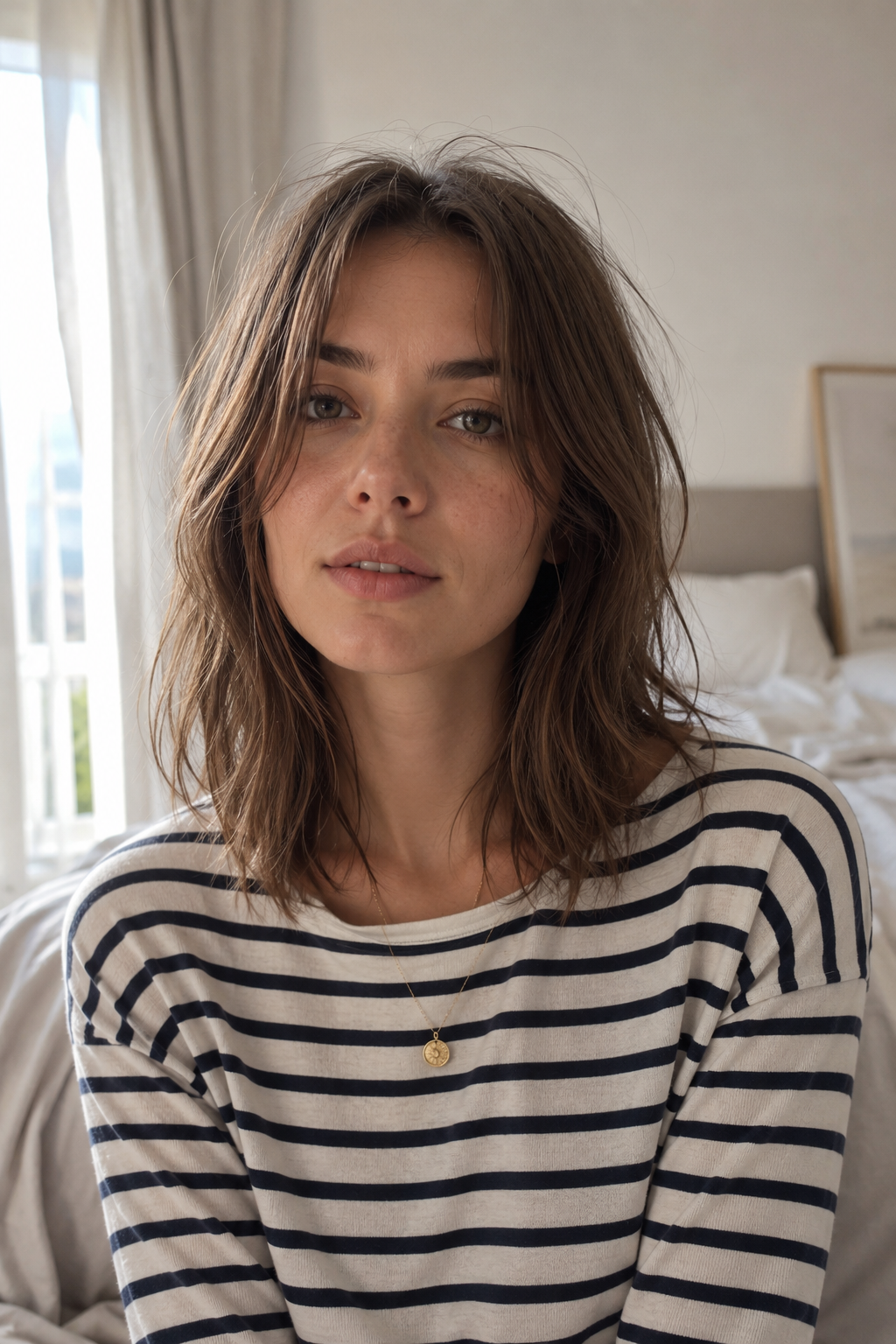
Undone, air-dried, and slightly imperfect, the French girl lob leans on natural texture rather than tools. Fine hair actually suits this style because the softness of the strands falls into that effortless shape without fighting a round brush all morning. Sleep with damp hair in a low bun for the natural bend, then finger-comb in the morning with a drop of styling oil. Skip any heat entirely.
Layered Lob With Face-Framing Pieces
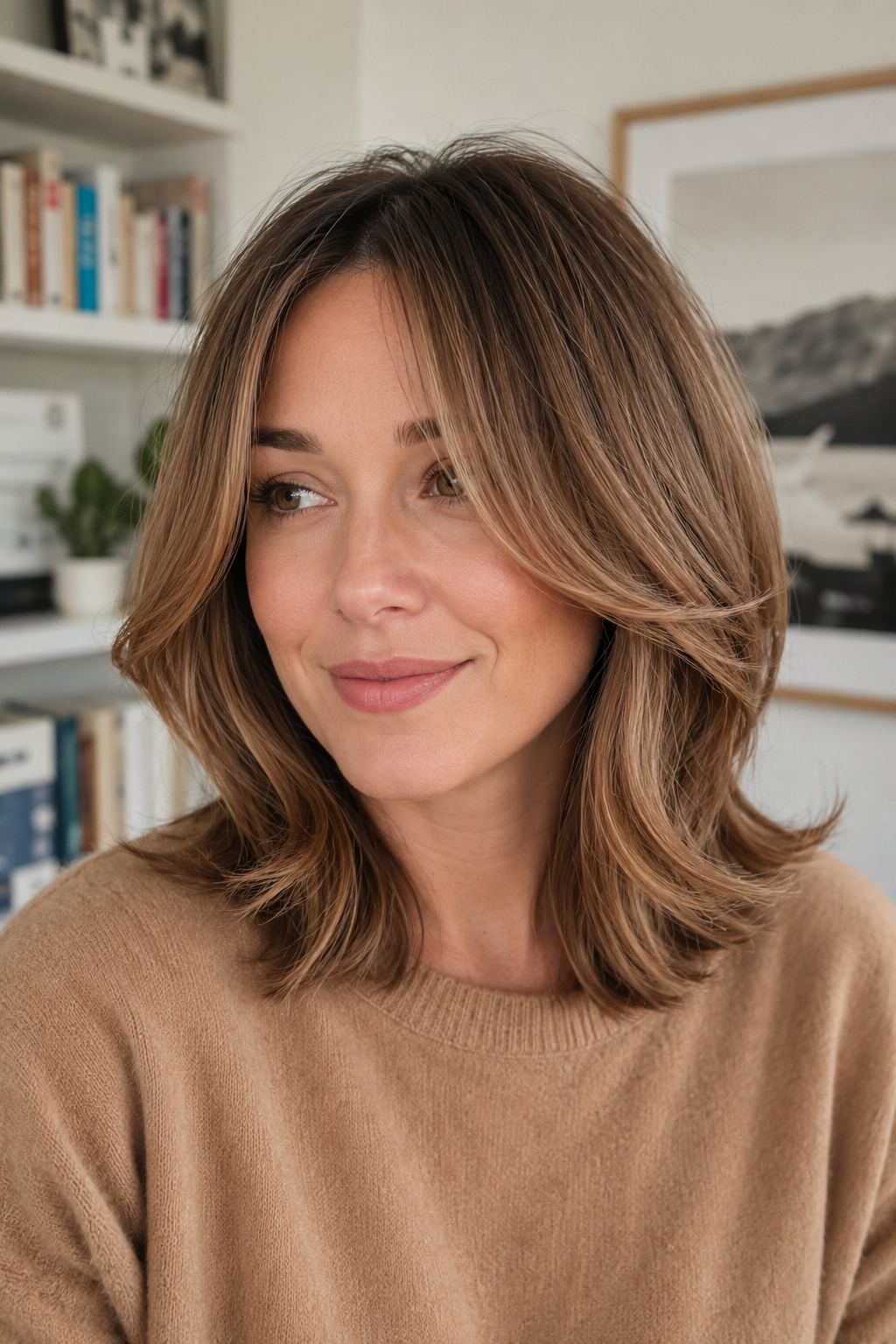
Long invisible layers through the interior with clear face-framing pieces around the jaw create movement without sacrificing perimeter weight. The trick for fine hair is asking for the layers to stay long, meaning nothing shorter than the collarbone, so the ends don't feather into wisps. The face-framing pieces should start no higher than the cheekbones. Style with a light volumizing mousse from mid-lengths to ends only.
Money Piece Lob
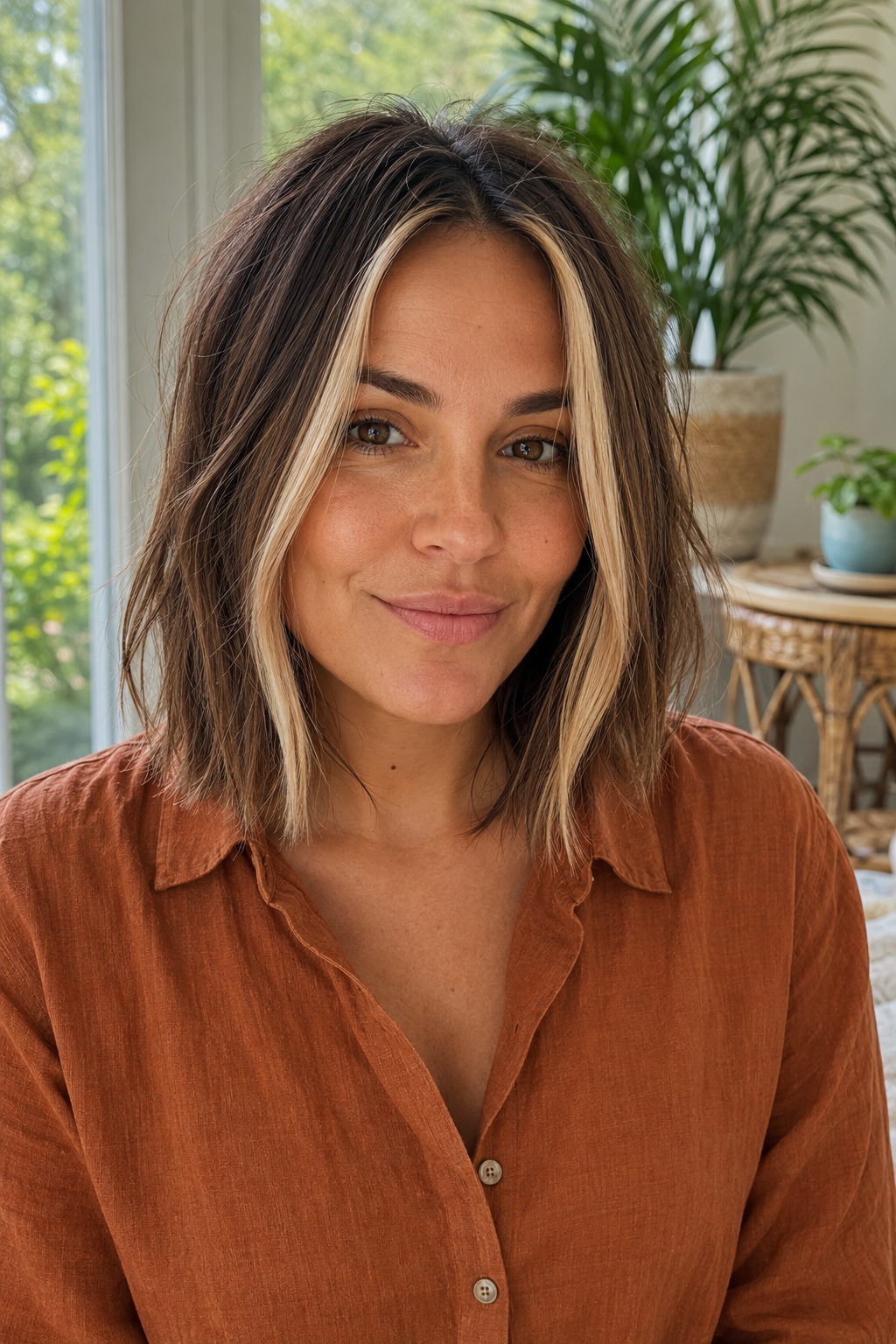
Two bright ribbons of lighter color framing the face against a darker base creates depth and pulls the eye toward the front of the cut. On fine hair, this dimensional trick reads as more hair even when the volume is unchanged. Keep the money piece cool-toned if your base is cool, warm-toned if warm, or the contrast can look striped rather than dimensional. Regrowth is easier to manage than full highlights.
Lob With Balayage
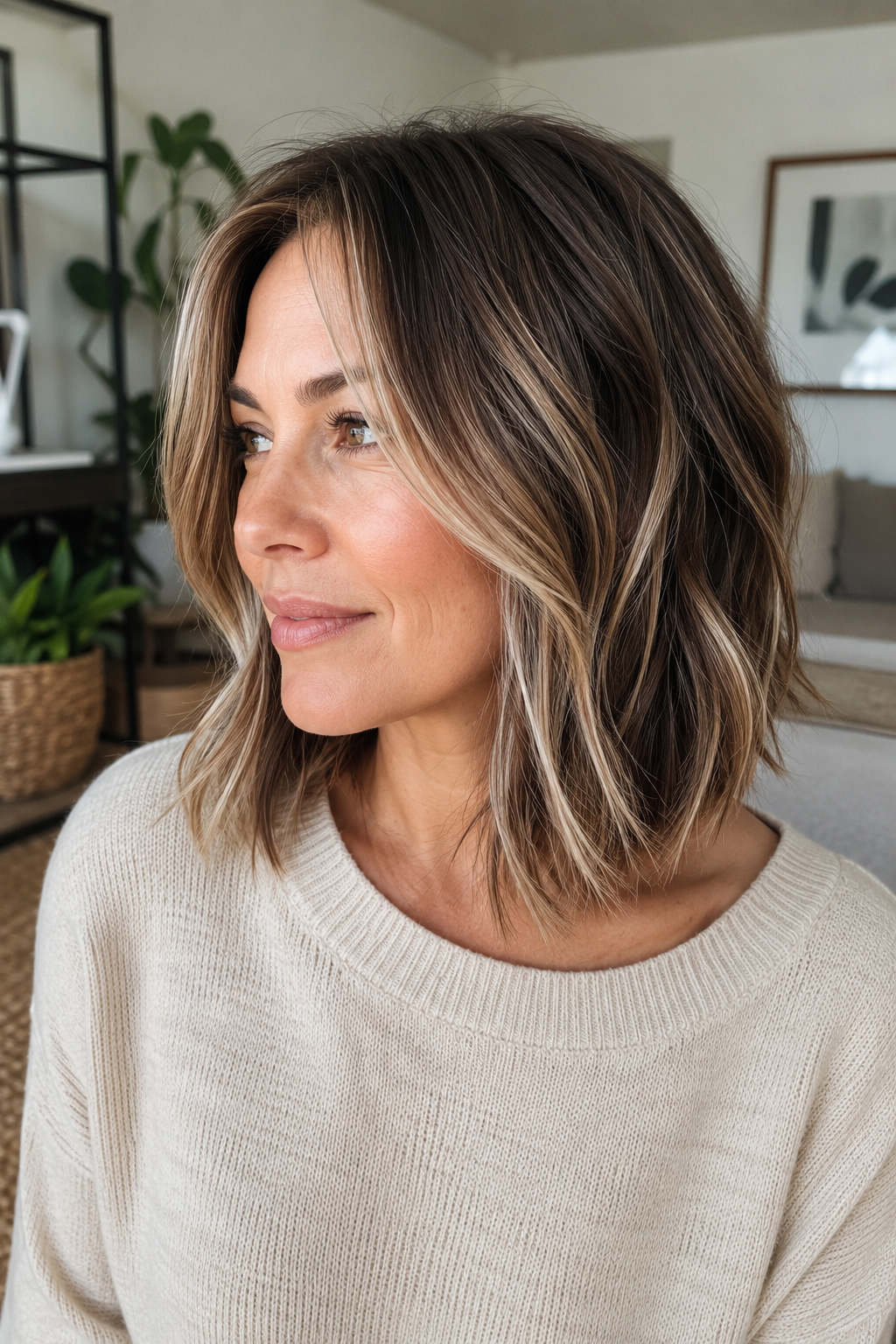
Hand-painted highlights scattered through the mid-lengths and ends create the illusion of movement and depth that fine hair rarely has on its own. The lightness at the ends catches light and reads as more density, especially when it stops shy of the roots for a lived-in feel. Ash tones work best for a cool base, honey or caramel for warm. Balayage grows out gracefully, which matters for anyone stretching salon visits.
Root Shadow Lob
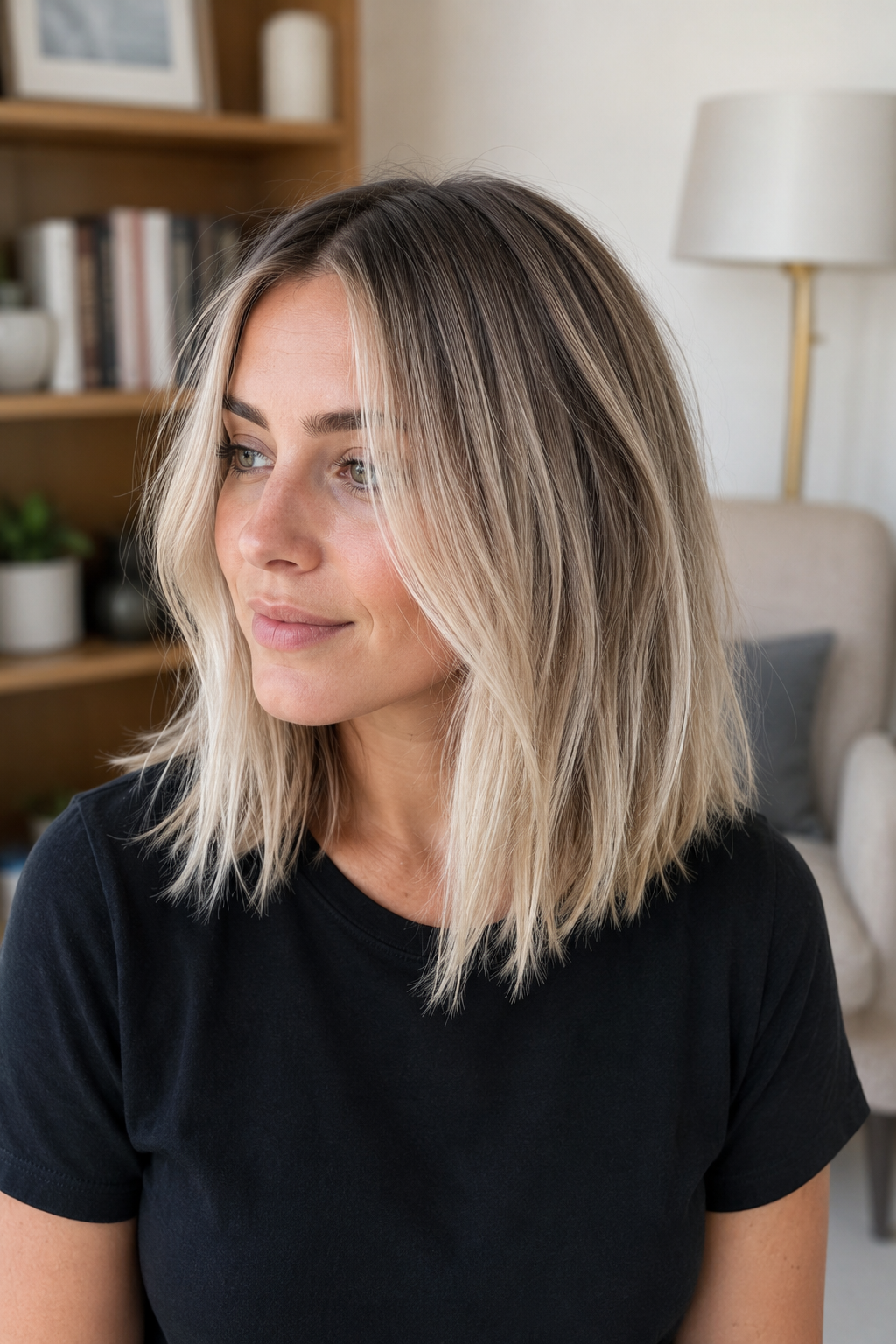
A soft, blended shadow at the root against a lighter length adds depth right at the scalp, which visually thickens fine hair where it's most needed. Unlike heavy dark roots, the shadow blends gradually so there's no harsh line. This works particularly well on cool-toned blondes where a hint of darker root grounds the color and prevents that washed-out fine hair look. Toning refreshes every six to eight weeks.
Center-Part Sleek Lob
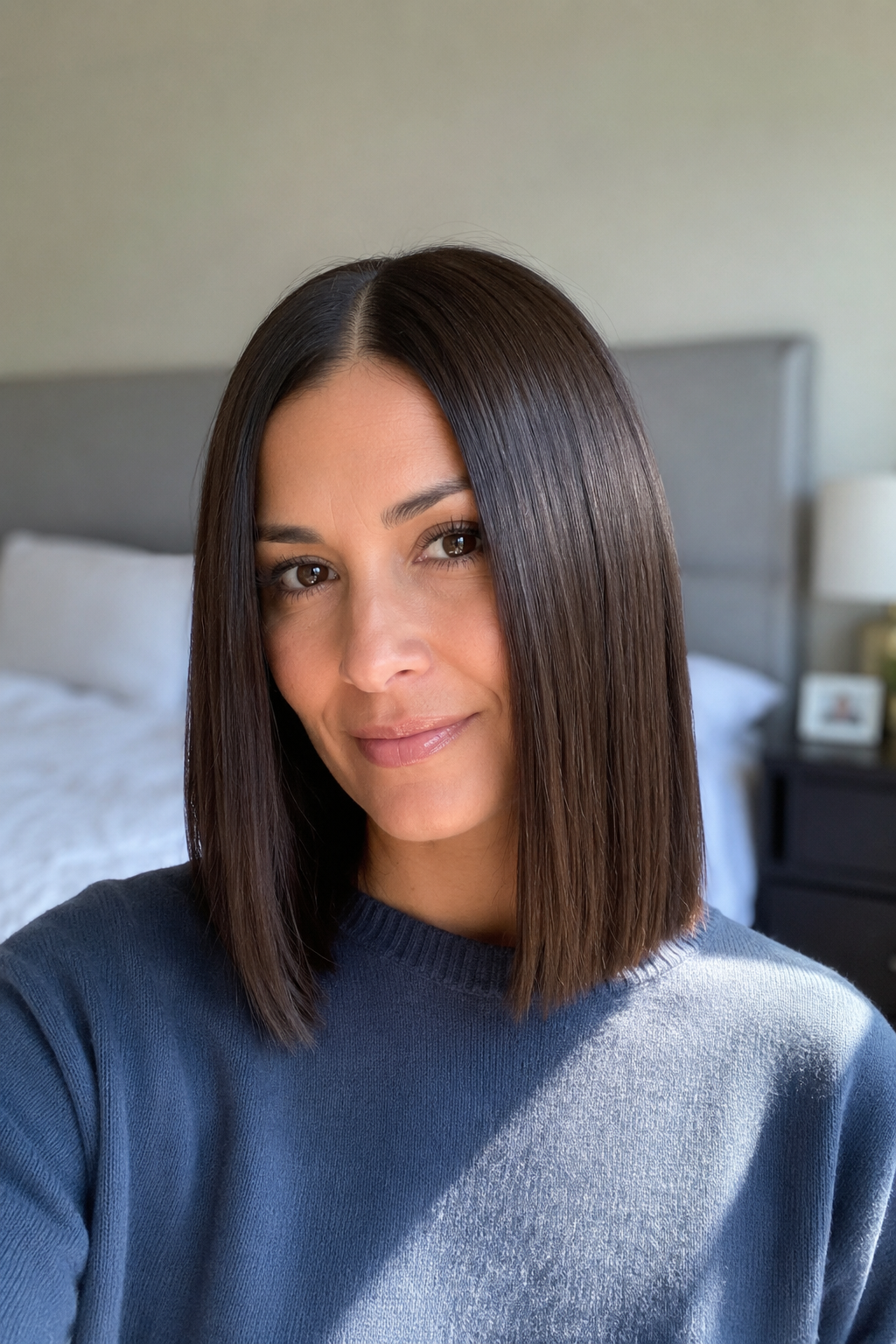
A precise center part with the length flat-ironed to a mirror finish gives fine hair a polished, editorial feel. The symmetry frames the face evenly and the glossy finish reflects light in a way that reads as healthy density. The catch: any part will show scalp on fine hair, so a good scalp-toning spray or dry shampoo at the part helps. Silk pillowcases also cut down on next-day frizz.
Deep Side-Part Lob
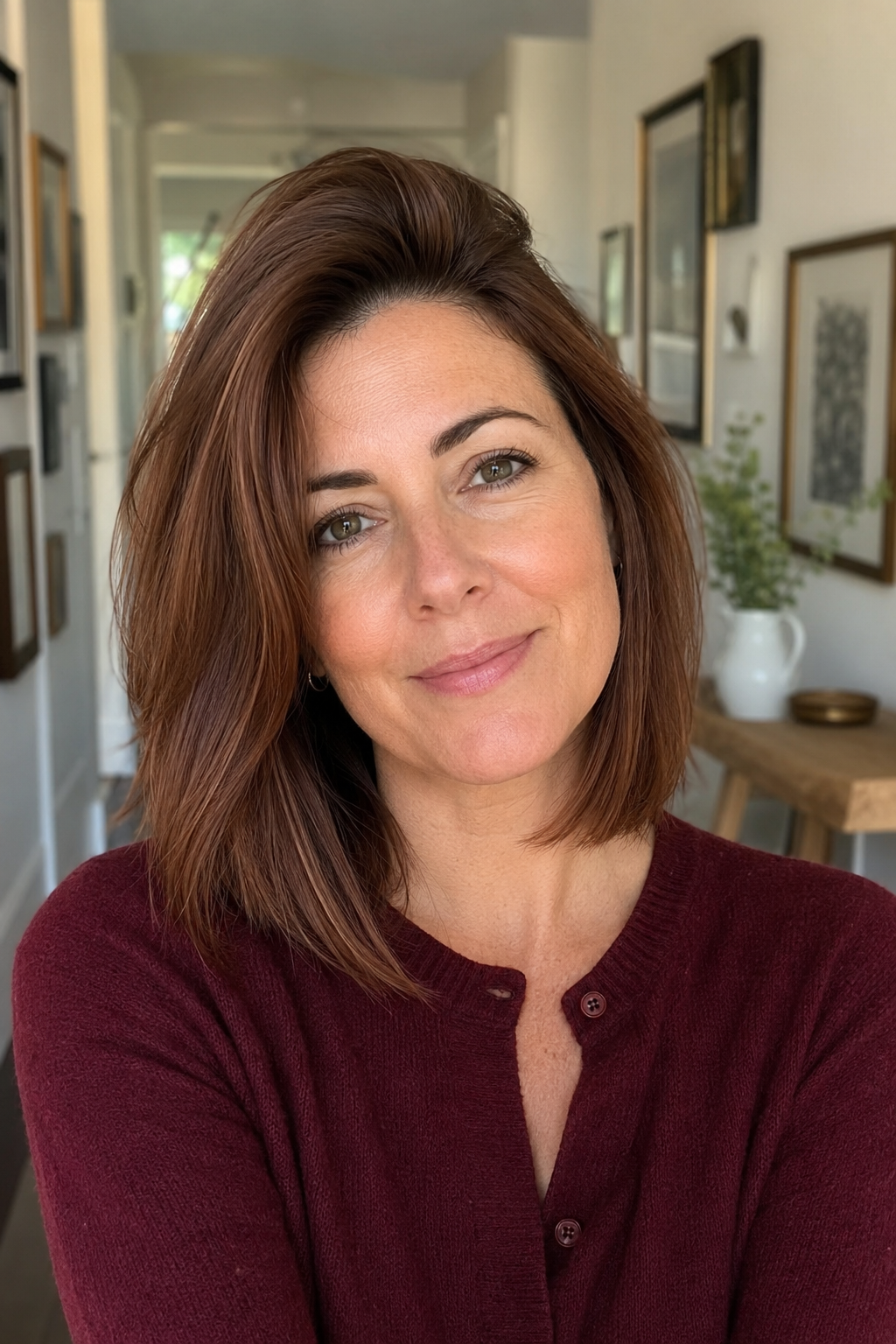
Parting the hair far to one side creates instant height at the crown without any teasing. On fine hair, this is the single fastest way to add visible volume with zero product. The weight of the hair falling to one side pulls the strands up at the parting, creating natural lift. Switching sides every few weeks prevents the part from becoming a permanent groove that shows scalp.
Feathered Lob
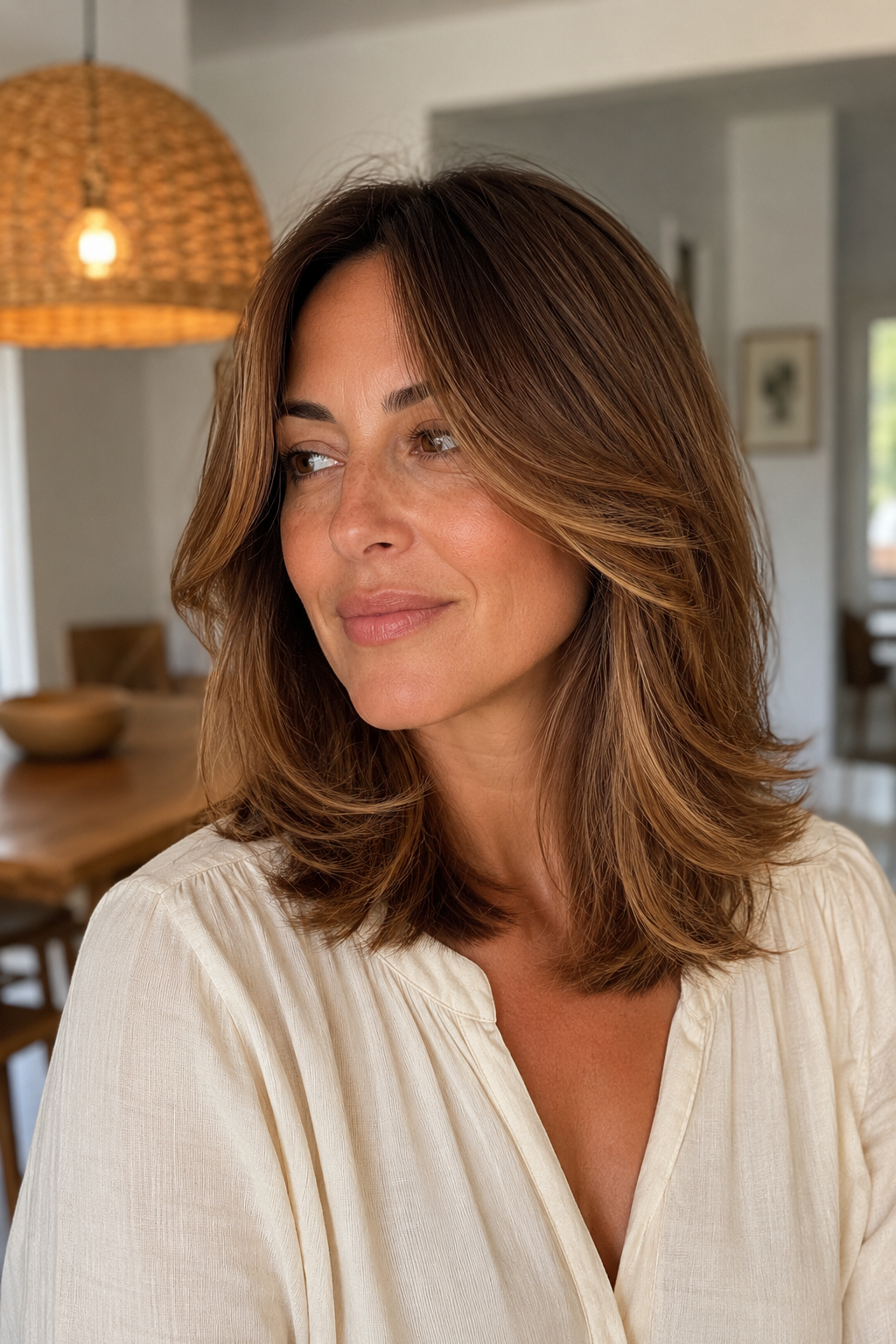
Soft feathered layers through the mid-lengths and ends bring a 70s-inspired airy movement to a collarbone-length cut. On fine hair, feathering has to be handled carefully, only through the top third of the length, or the ends risk looking wispy. Ask for the feathering to blend into a blunter perimeter so the shape holds. A brush-out with a large paddle brush finishes the retro softness.
Curled-Under Flippy Lob
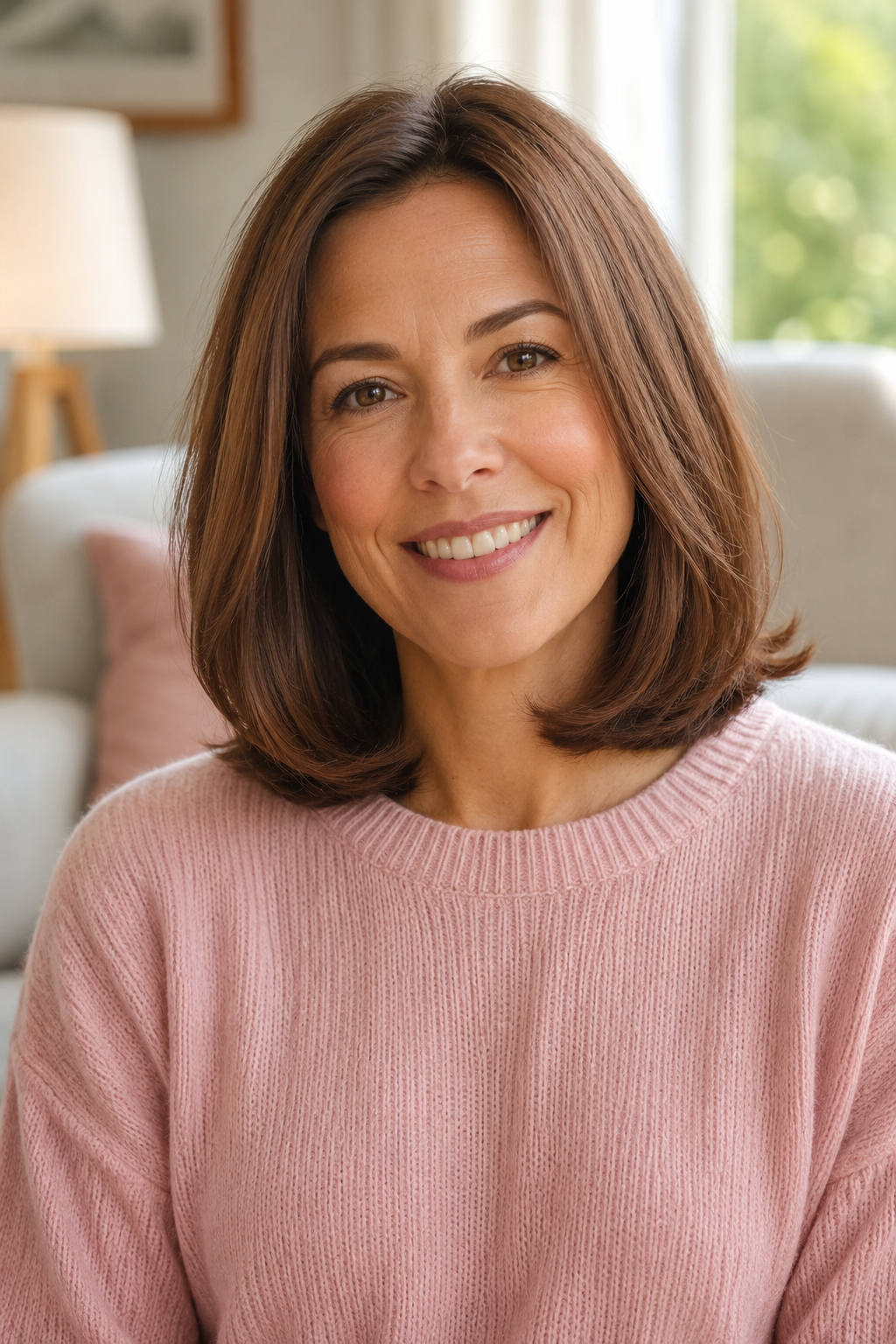
Ends flipped inward with a round brush or curling iron give the lob a bouncy, rounded shape that fine hair loves because it collects the strands into visible density at the perimeter. This is one of the easiest fine hair styles to master with practice. A large-barrel round brush during blow-drying sets the shape, then a mist of flexible-hold hairspray keeps it lifted without stiffness through the day.
Blowout Lob
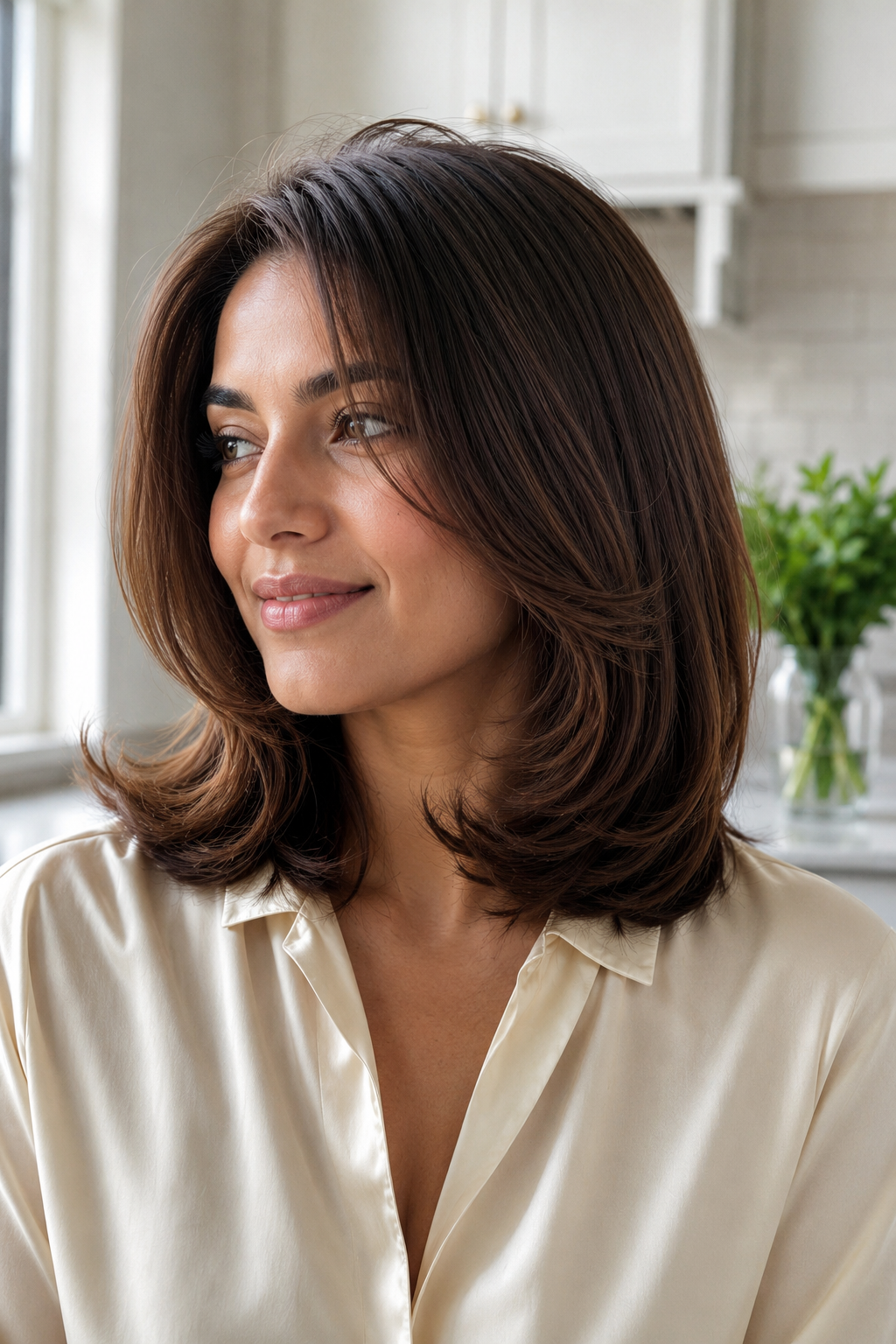
Full, bouncy, brushed-out volume with a soft bend at the ends gives the lob that 90s bombshell energy. Fine hair actually holds a good blowout well because the strands take shape easily under heat and a round brush. The key is starting with a strong volumizing spray at the roots while damp, then working section by section with a medium-barrel round brush. A cool blast at the end locks it in.
Rounded Lob
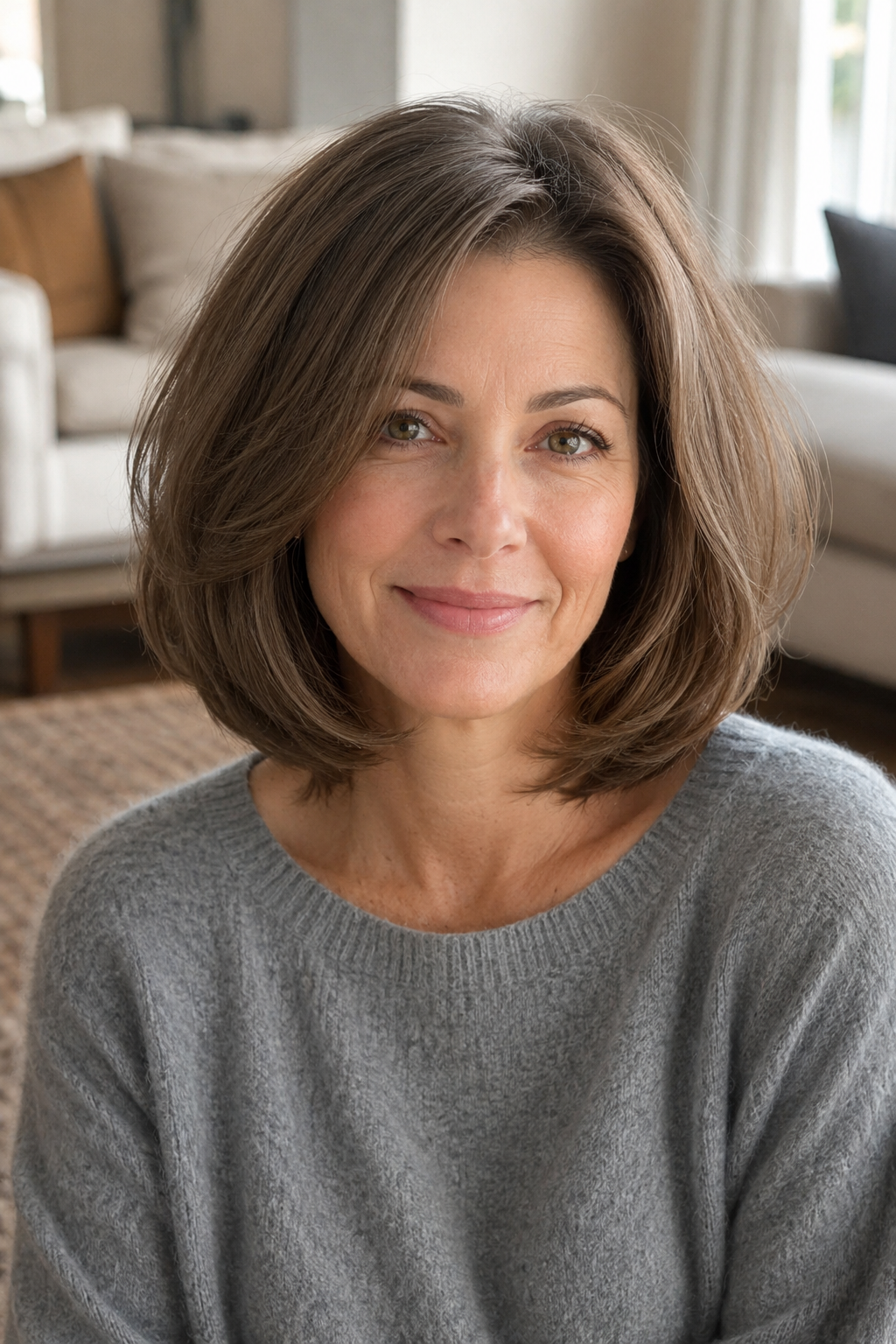
A softly curved perimeter, longer at the front and rounding slightly shorter at the back, creates a fluffy silhouette that fine hair benefits from because the roundness itself reads as volume. Unlike an A-line or inverted shape, the rounded lob keeps the transition gentle. Style with a large curling iron worked away from the face, then break the shape gently with fingers for a soft, cloud-like finish.
Lob With Hidden Underlights
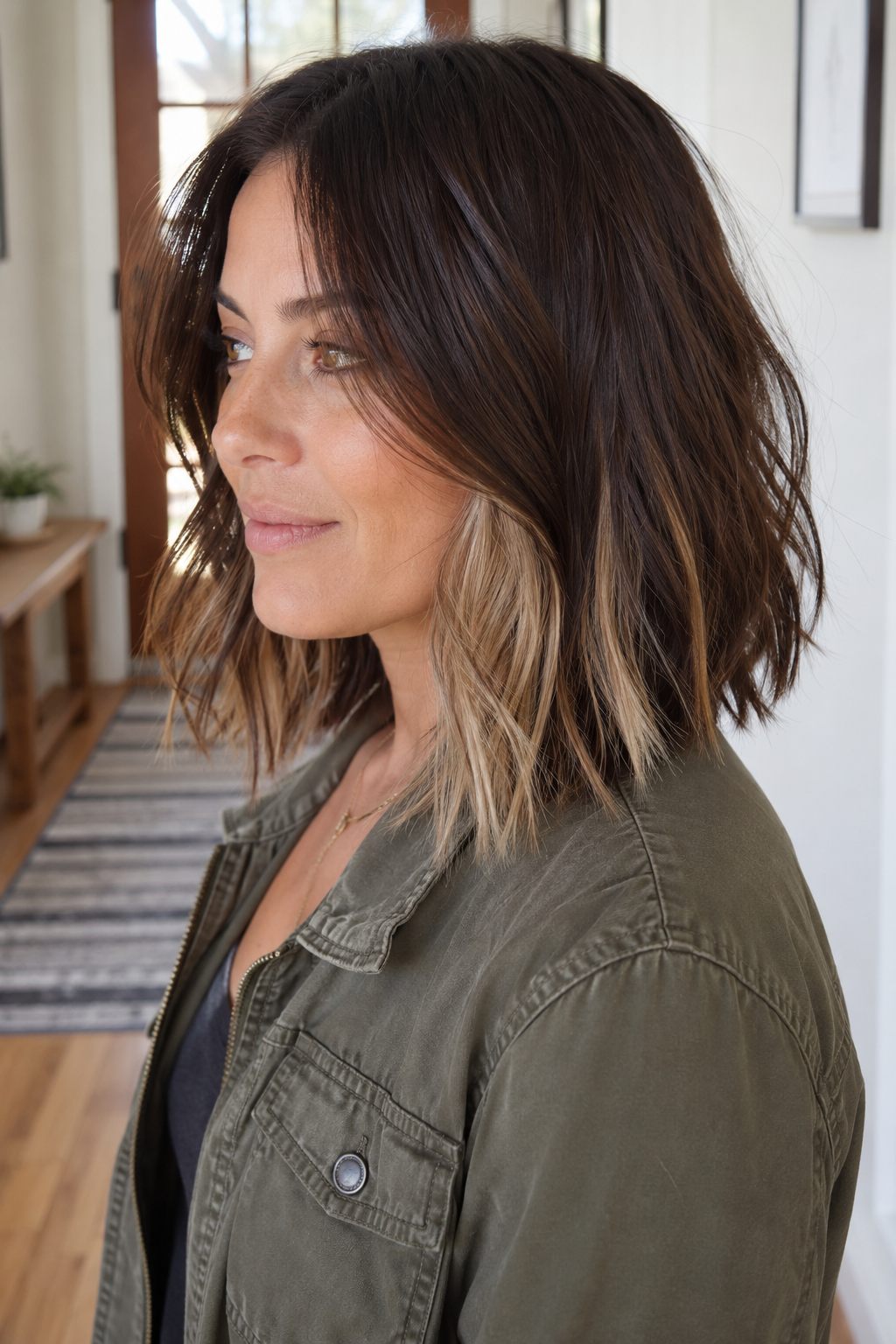
Placing highlights or lighter pieces underneath the top layer of hair creates dimension that appears when the hair moves. On fine hair, this trick adds visual complexity without committing to visible color throughout. The lighter pieces peek out at the ends and along the sides, giving the illusion of layered depth. Best for anyone who wants a subtle statement rather than an all-over color change.
Comments
No Comments