22 Thin Locs Hairstyles That Bring Style and Structure Together
The whole point of thin locs is versatility. Unlike traditional thicker dreadlocks that lock wearers into a narrow styling vocabulary, sisterlocks and microlocs behave more like loose hair because of their delicate size. Wearers can curl them, braid them, twist them, pin them into sculpted updos, or wear them in ways thick-loc wearers can't. The thinness itself is the styling advantage. Small locs also give the appearance of more volume for thin natural hair while still holding the discipline of a permanent style. What follows are the looks that showcase what thin locs do best, from architectural updos to expressive braided arrangements, without needing shoulder-length or waist-length hair to make a statement.
Jump to:
- High Bun
- Low Bun
- Twisted Updo Bun
- Half-Up Half-Down
- Two Jumbo Cornrows
- High Ponytail
- Low Ponytail
- Side Ponytail
- Braided Ponytail
- Braid-Out on Locs
- Rod-Set Curls
- Side-Swept Deep Part
- Loc Space Buns
- Half-Pinned Back
- Braided Crown Halo
- Locs Bob
- Colored Thin Locs
- Ombre Thin Locs
- Fulani-Inspired With Cuffs and Beads
- Locs Frohawk
- Two Braided Pigtails
- Loc Bantu Knots
High Bun
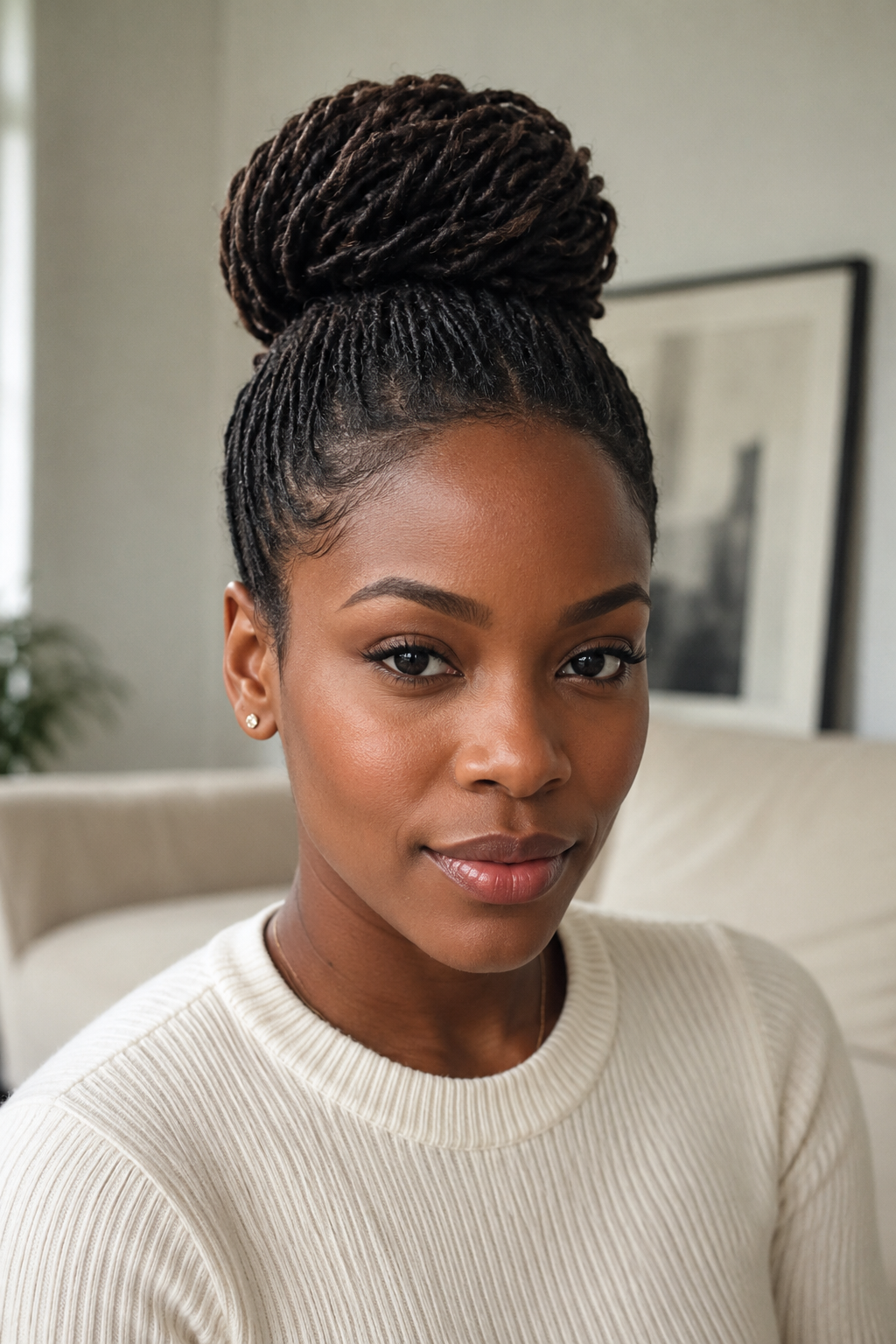
Gathered at the crown and secured into a full round shape, the high bun is one of the most flattering thin loc updos. Because thin locs are lightweight, the bun stays lifted without pulling on the scalp or feeling heavy through the day. This style works for professional settings, weddings, and everyday wear. Smooth the edges with a light hair gel and wrap a scarf around the base to hold the shape.
Low Bun
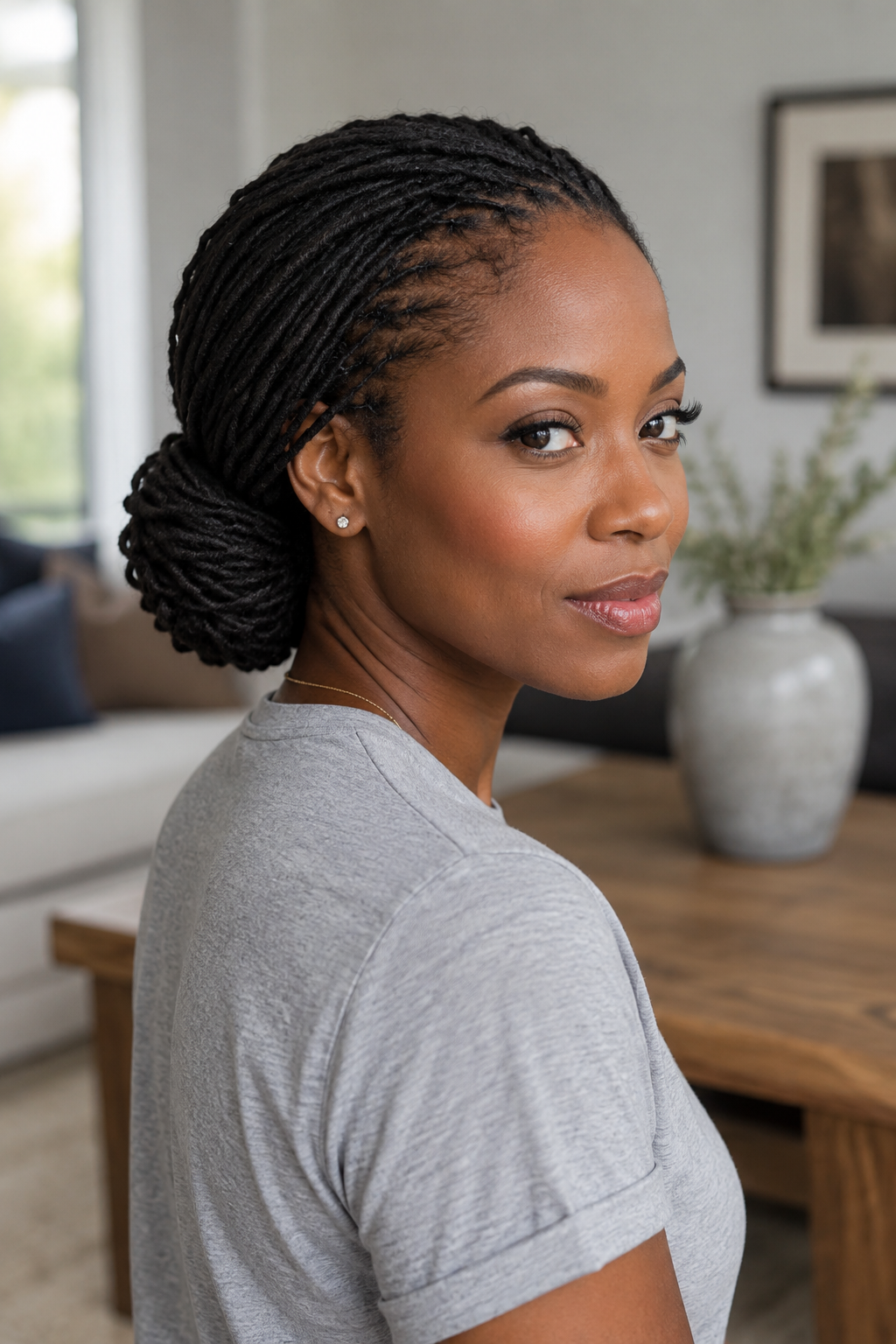
Gathered at the nape of the neck rather than the crown, the low bun creates a softer, more sophisticated silhouette. On thin locs, the low placement showcases the fine grid pattern beautifully while keeping the hair off the neck. Ideal for offices, business meetings, and formal events. Wrap the base with a single loc or a small ribbon for a finished look. Smooth the crown flat with a light styling milk.
Twisted Updo Bun
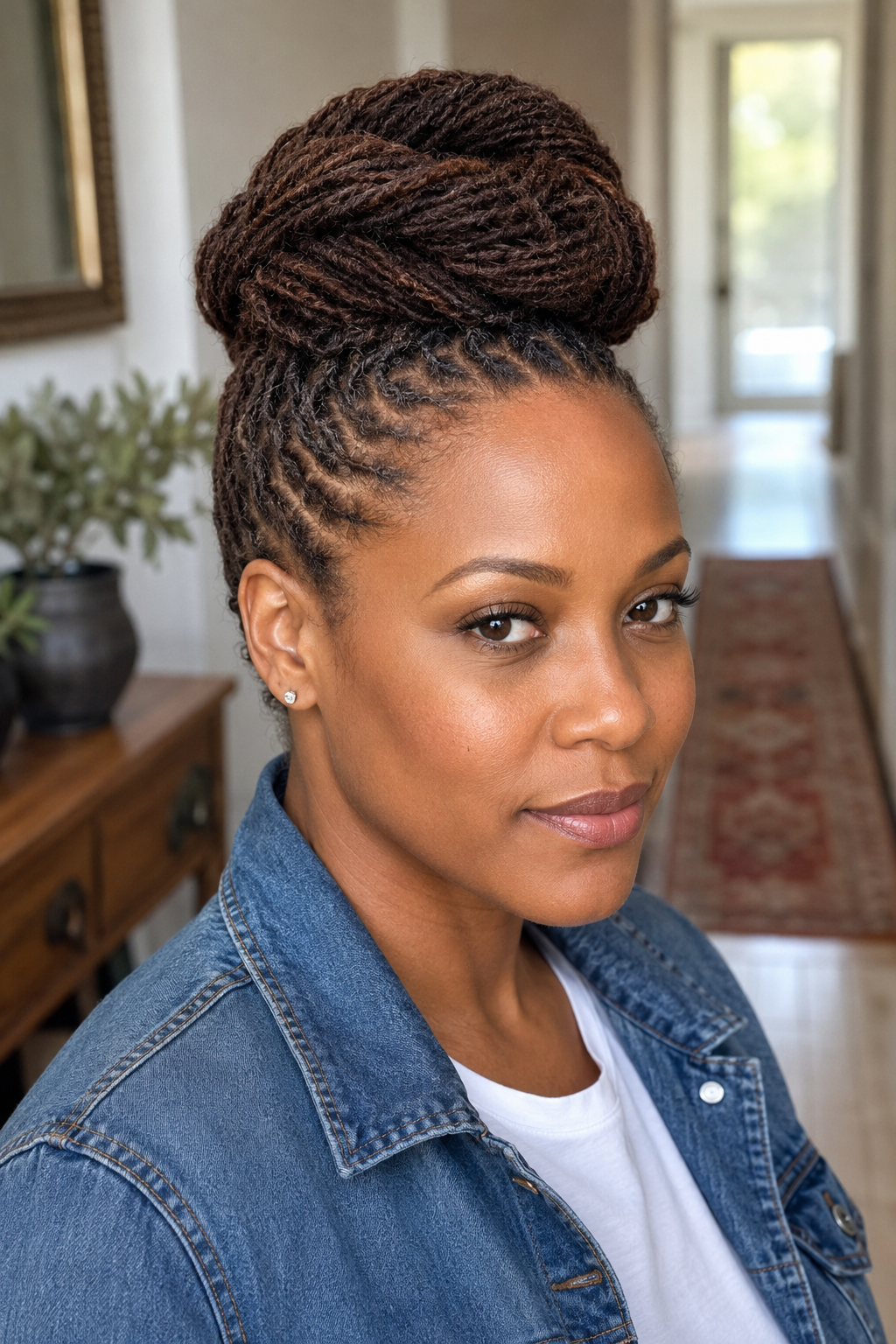
Multiple locs gathered together, twisted around each other, and pinned into a rolled bun shape create a sculpted, dimensional finish. The visible twist pattern in the bun adds texture and structure without needing separate hair pieces. This style works especially well for weddings, anniversaries, and any occasion needing something more architectural than a plain bun. Secure with bobby pins hidden inside the twist pattern.
Half-Up Half-Down
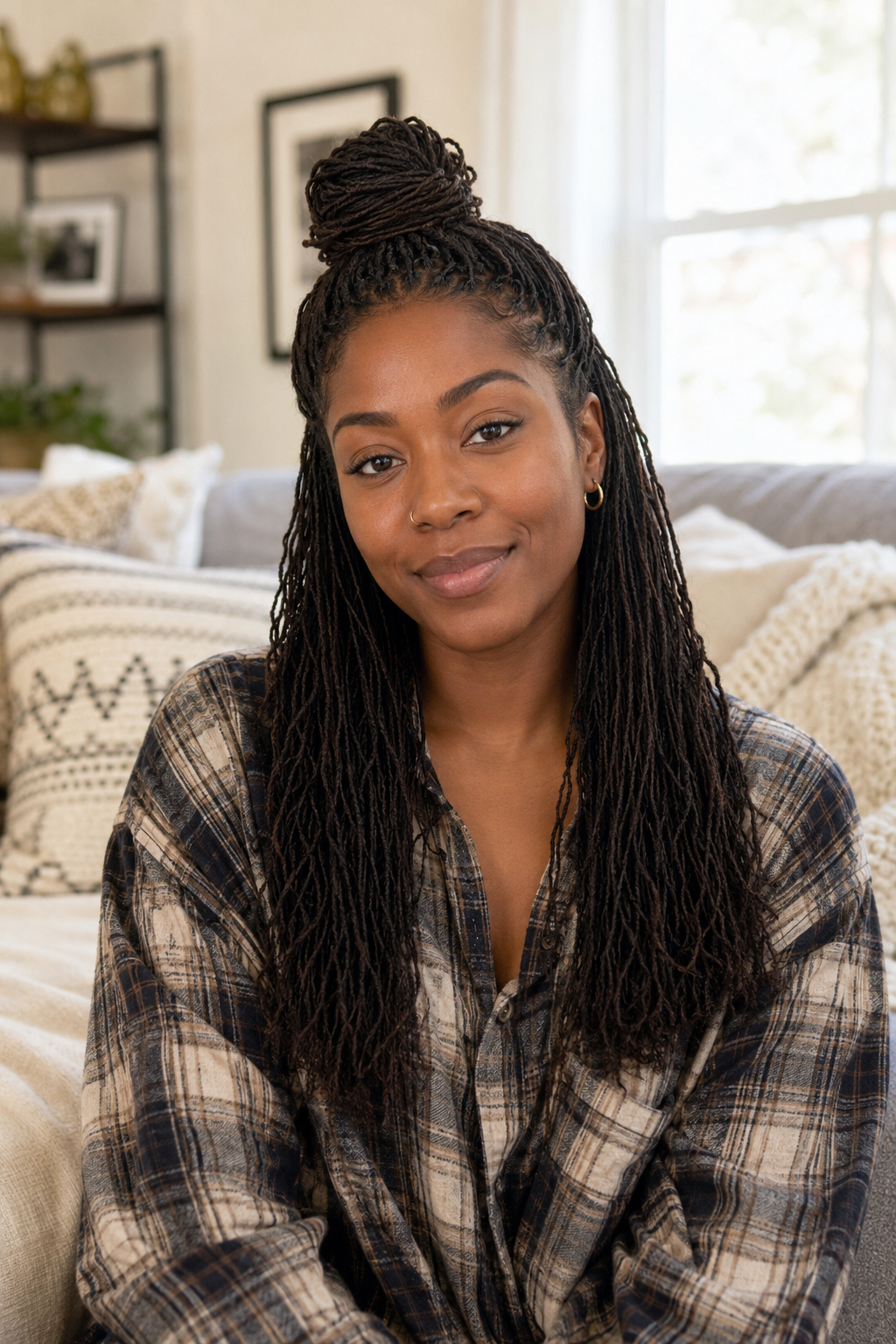
Front half of the locs pulled up into a small bun or ponytail at the crown while the bottom half flows freely. This style offers the balance of an updo with the movement of loose hair, showcasing the length and pattern of the thin locs at once. Perfect for casual outings, date nights, and photos. Smooth the pulled-back section with a small styling brush and let the flowing section move naturally.
Two Jumbo Cornrows
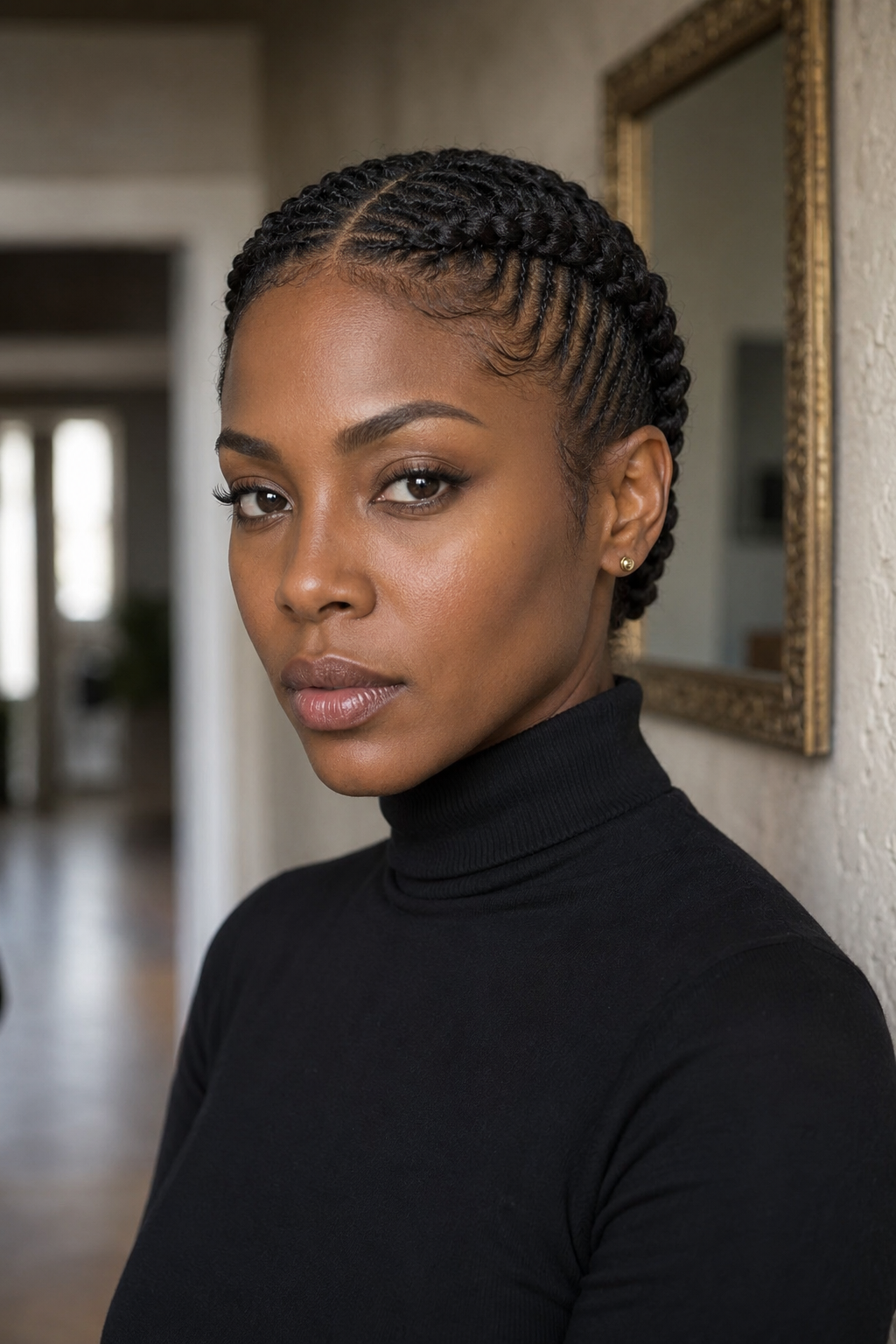
Thin locs gathered and braided into two large cornrows running from the hairline back to the nape create a striking, sculpted silhouette. The technique treats the small locs as strands that can be braided flat against the scalp. This style photographs beautifully and holds well for a week or more with minimal upkeep. Part the hair down the middle and braid each side separately, joining at the back.
High Ponytail
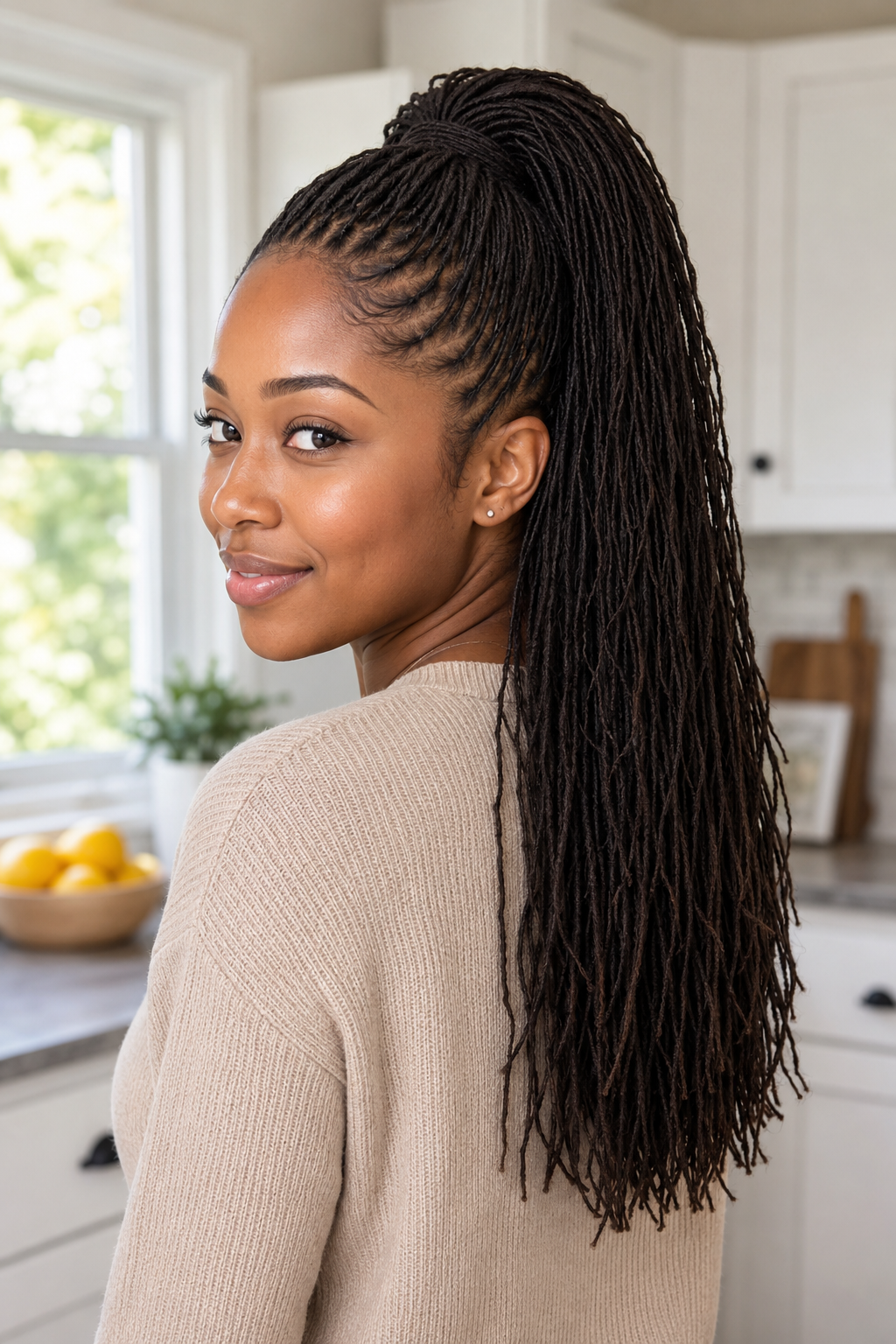
All the thin locs gathered at the crown and secured into a full flowing ponytail. Because sisterlocks and microlocs are lightweight, the ponytail sits lifted without dragging the scalp down. The finished look feels youthful and dynamic. Wrap the base with a scarf or a single loc for a clean finish. This style translates well to gym sessions, casual weekends, and events where movement matters.
Low Ponytail
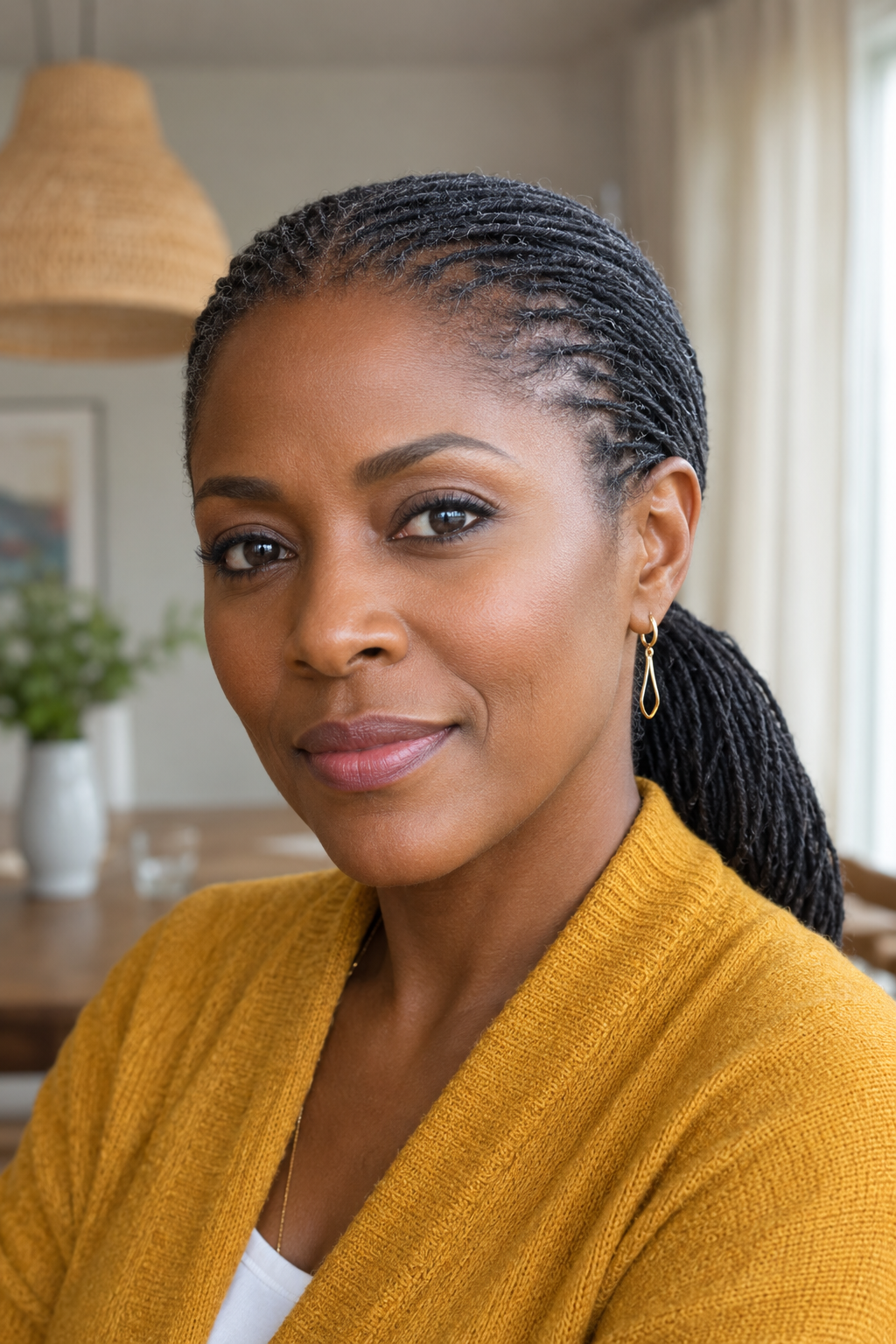
Gathered at the nape with the length flowing down the back, the low ponytail gives a softer, more refined feel than the high version. On thin locs, the low ponytail showcases the fine grid pattern from the crown down to the ends. Perfect for professional settings where subtlety matters. Smooth the crown flat and wrap the base with a small strand for a clean, hair-only finish.
Side Ponytail
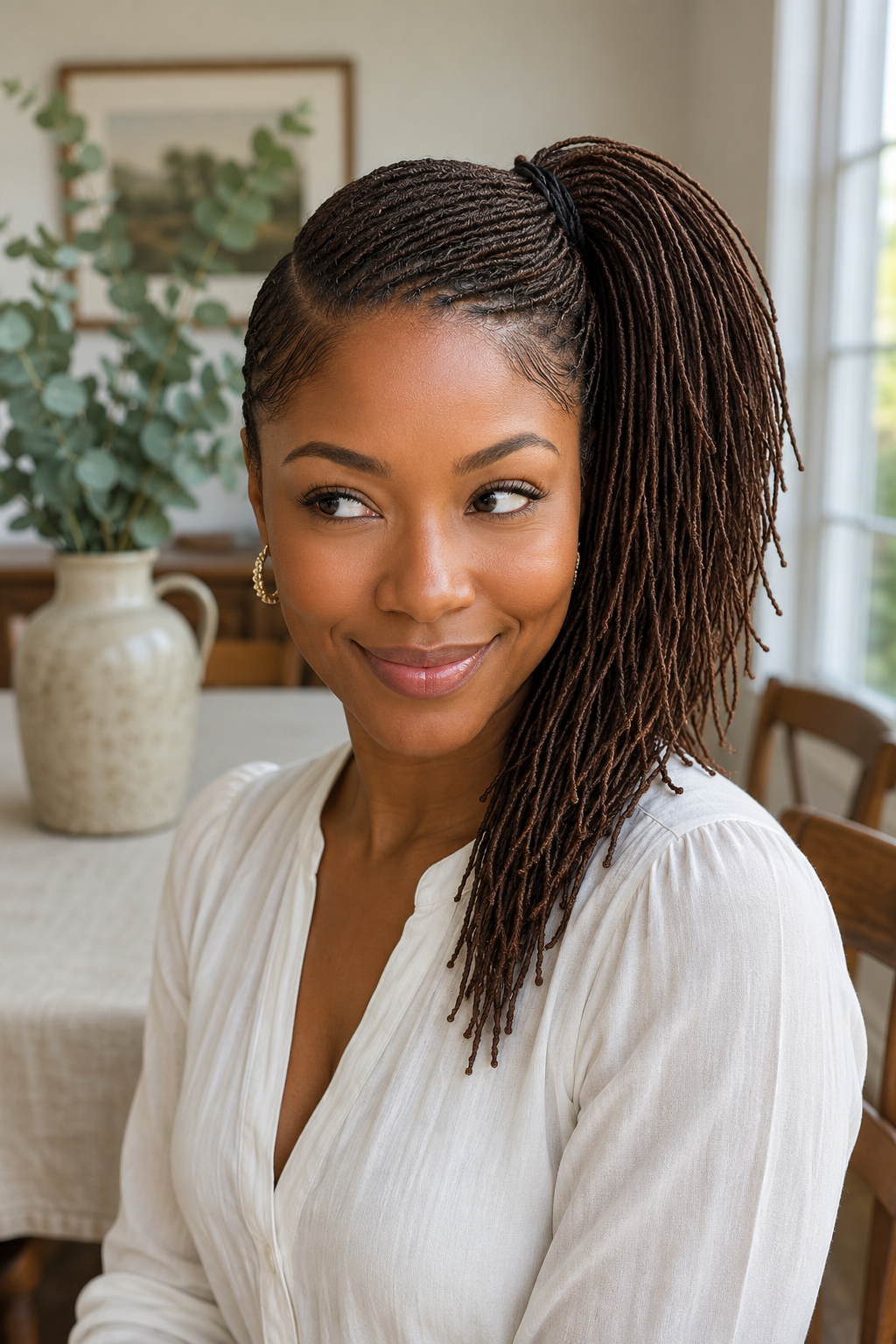
Gathered to one side of the head above the ear or lower toward the shoulder, the side ponytail creates asymmetry that draws the eye. The angled placement flatters the face and creates visual interest without any styling complexity. Deep-part the hair on the opposite side, sweep everything to the chosen side, and secure with an elastic wrapped in a scarf for a clean base finish.
Braided Ponytail
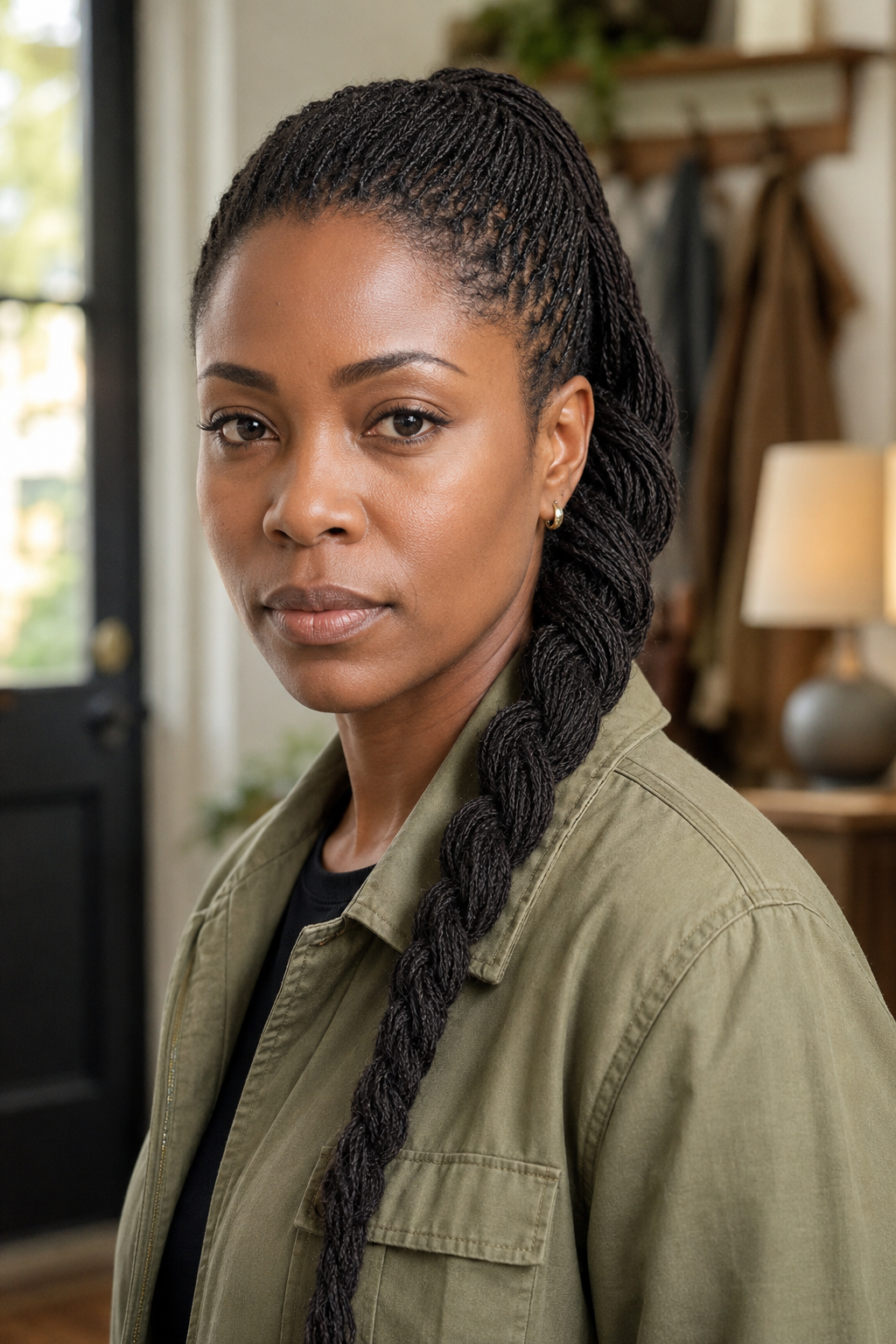
Thin locs gathered into a ponytail and then braided down the length into one large braid or several smaller braids. The braided finish adds texture and structure while showing off the locs as they merge into the braid pattern. This style holds beautifully for several days and translates from workouts to evenings out. Finish the ends with small hair ties and a drop of hair oil.
Braid-Out on Locs

Several locs sectioned together and braided while damp, then left to dry completely before unraveling, creates a wavy, elongated pattern across the whole head. The braid-out on thin locs delivers full-bodied wave without heat, showing off the length while adding dramatic texture. Use a light setting foam during braiding and let dry for at least eight hours before unraveling with a drop of hair oil.
Rod-Set Curls
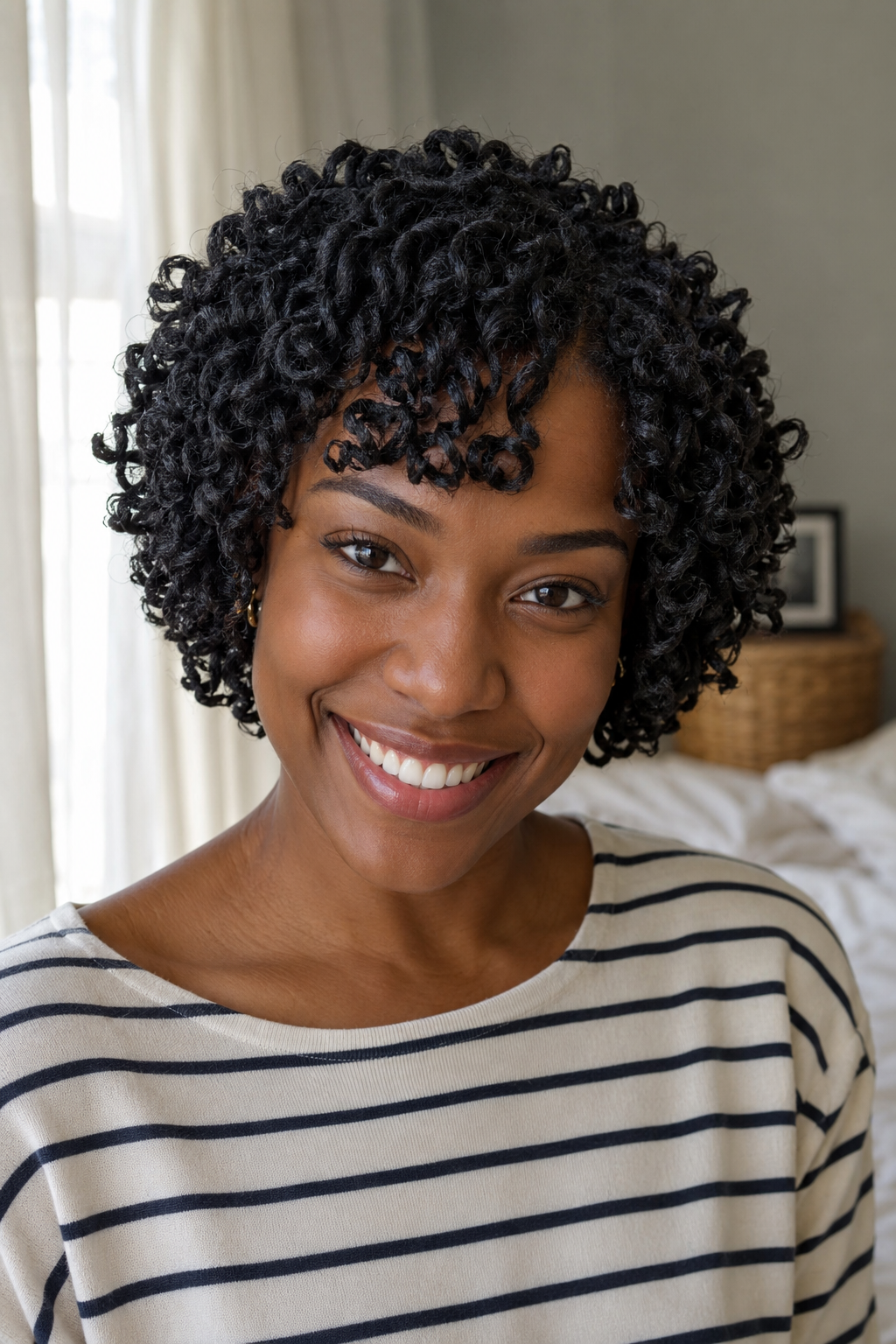
Small perm rods rolled through damp locs and left to fully dry create defined, springy curls that mimic natural coil pattern. The rod-set gives thin locs a completely different silhouette from their usual straight-hanging shape. This is a popular pre-event style that lasts several days. Use a light setting lotion during rolling and sit under a hooded dryer for two to three hours to lock in the shape.
Side-Swept Deep Part
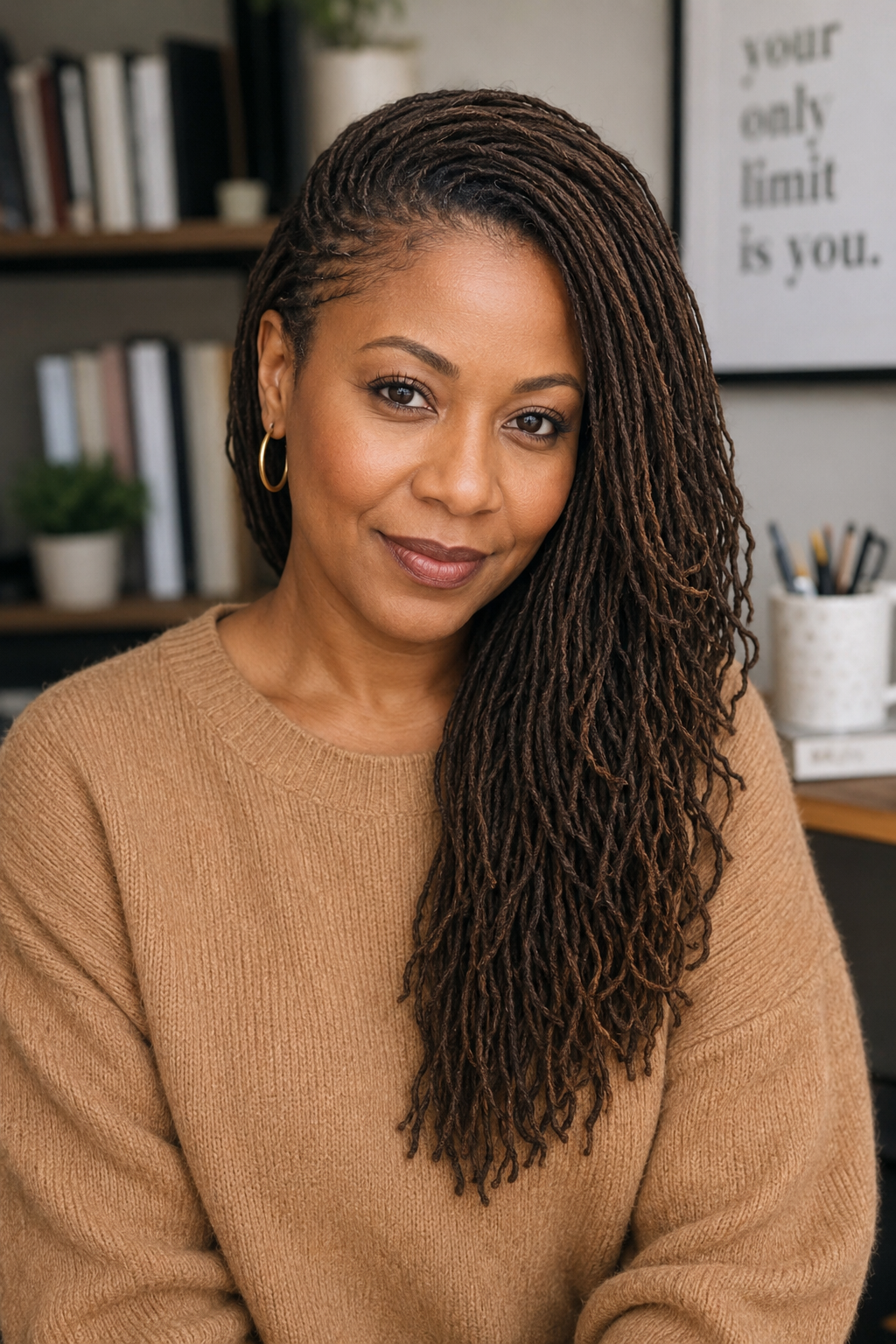
Deep side part with the locs swept dramatically to one side of the head. The heavy weight of all the locs on one side creates natural asymmetry and visual movement. This is one of the fastest styles available because it requires only repositioning the part. Works especially well for events where a dramatic silhouette is wanted with zero styling time. A light hair oil holds the sweep in place.
Loc Space Buns
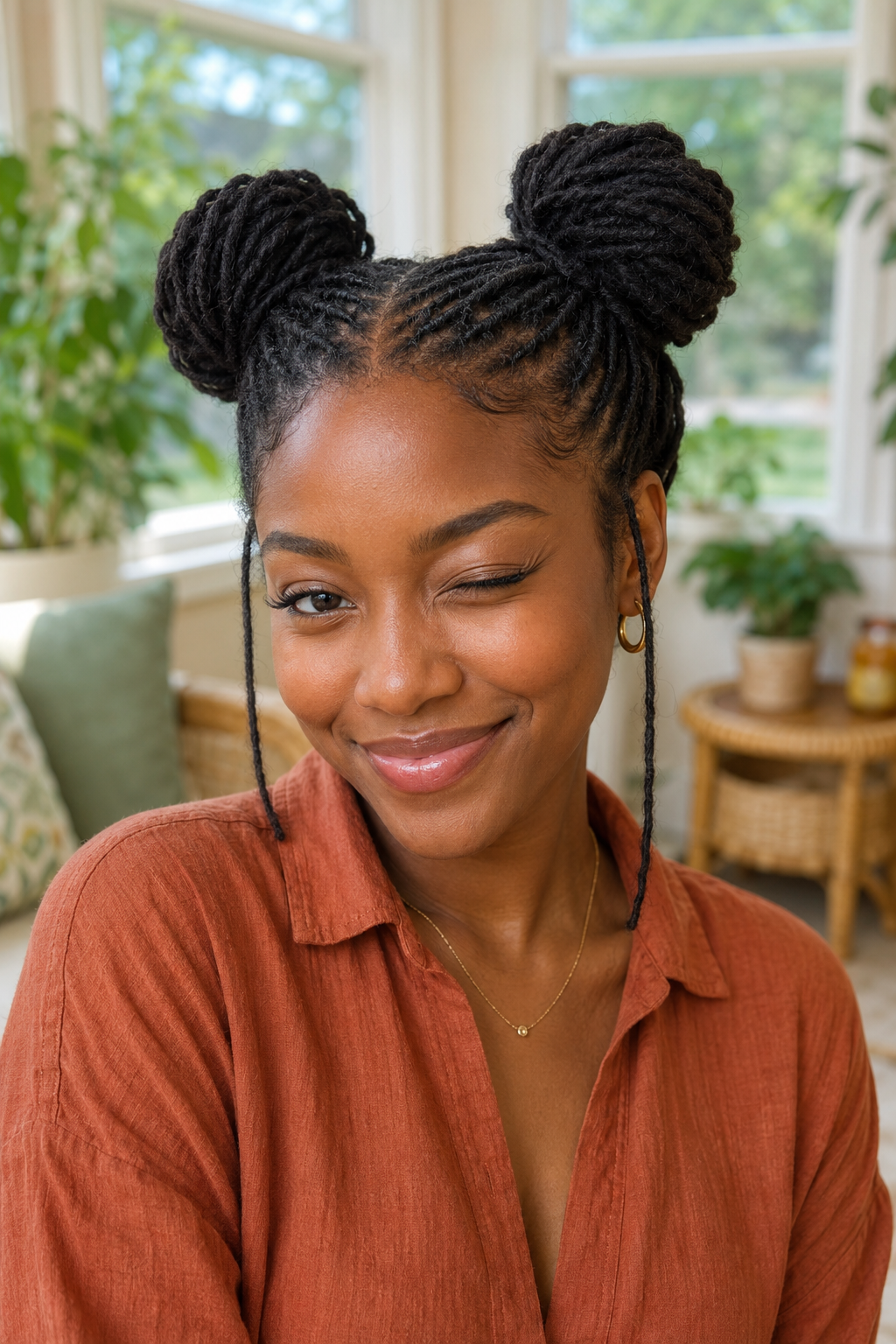
Two round buns positioned high on the head, one on each side, create a playful, expressive look that suits casual settings and festival-style events. The bilateral symmetry of the space buns showcases the grid pattern of the locs. Part the hair down the middle, gather each side into a bun above the ear, and secure with pins. Wrap each bun base with a small strand for a clean finish.
Half-Pinned Back
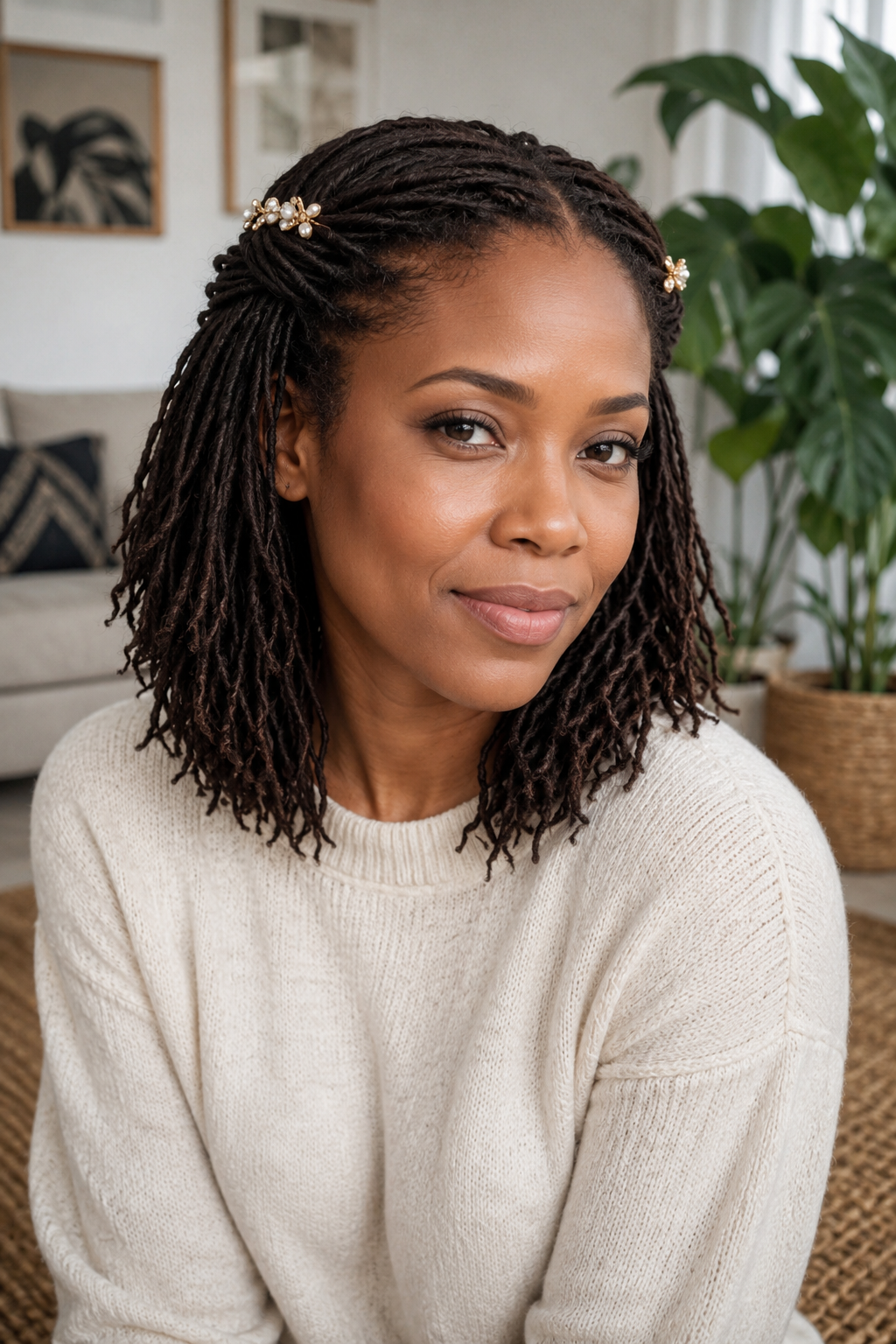
Front sections of the thin locs on both sides pinned back while the rest flows freely. This creates a soft, romantic look that keeps the face clear while showing off the length of the locs. Perfect for weddings, engagement photos, and dinner events. Use decorative pins or small hair jewelry to make the pinning itself part of the visual statement rather than hiding the fastenings.
Braided Crown Halo
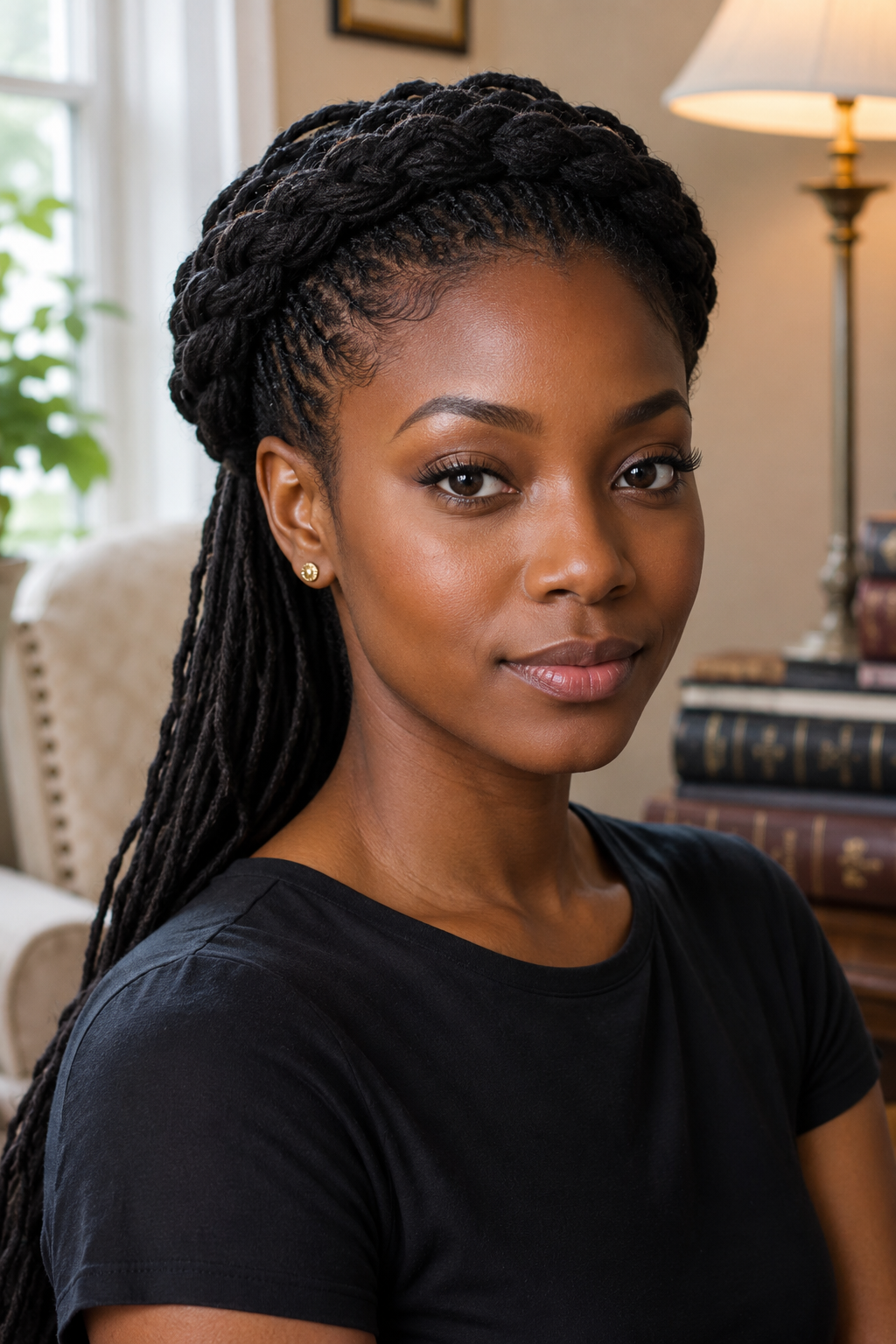
A single or double braid worked around the head in a halo pattern using the front portion of thin locs. The braid sits close to the scalp and wraps like a crown, giving a regal, sculpted finish. This style suits formal events, cultural celebrations, and photo shoots. Braid the front locs on one side across the forehead and secure at the back with pins hidden inside the crown pattern.
Locs Bob
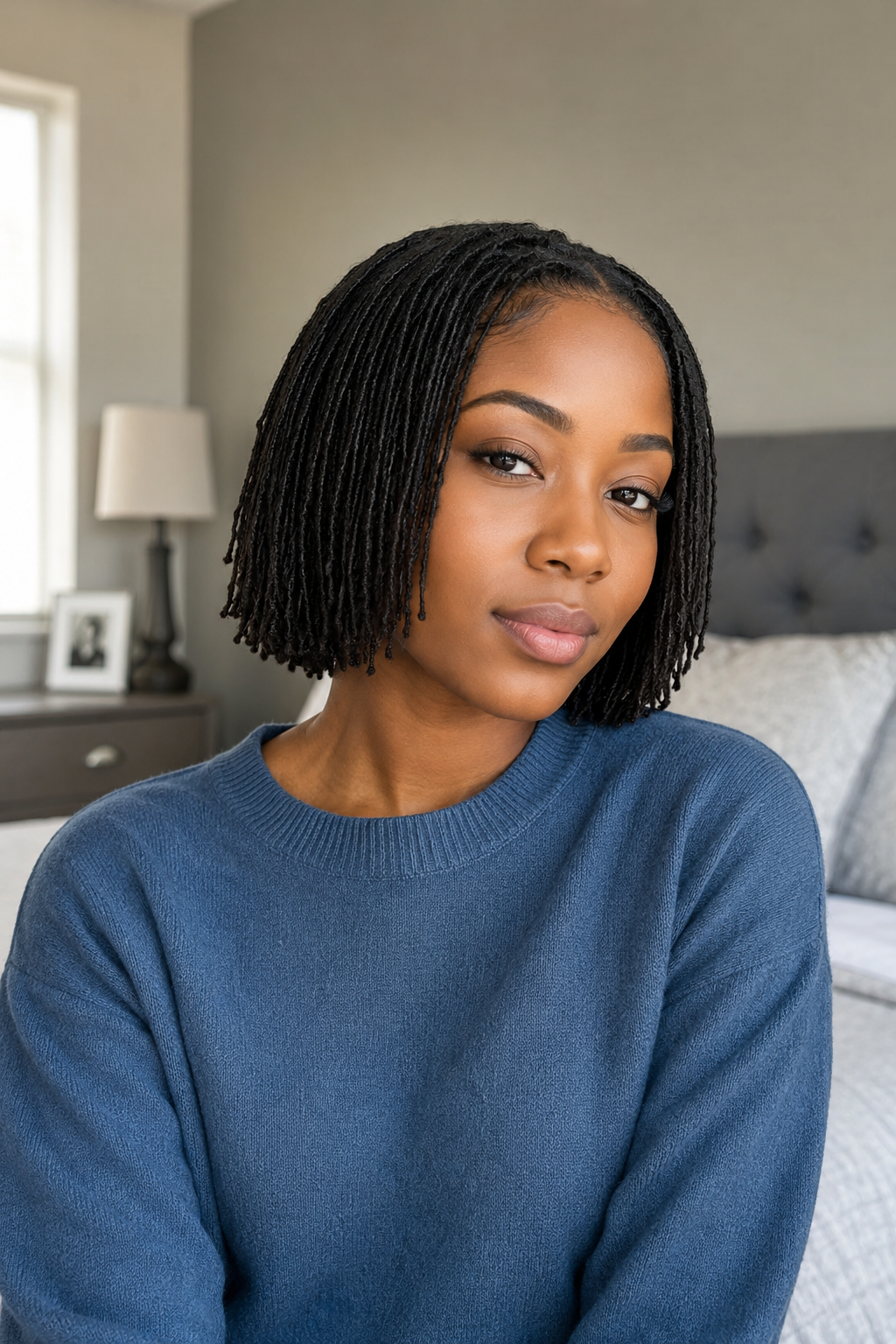
Thin locs cut into a chin-length or jaw-length bob shape. The precise cut turns the flowing pattern of thin locs into a defined shape that showcases both the grid pattern and the modern silhouette. This is a strong statement cut that requires professional installation and periodic maintenance to keep the shape crisp. Style with a light hair spray to hold the perimeter clean throughout the day.
Colored Thin Locs
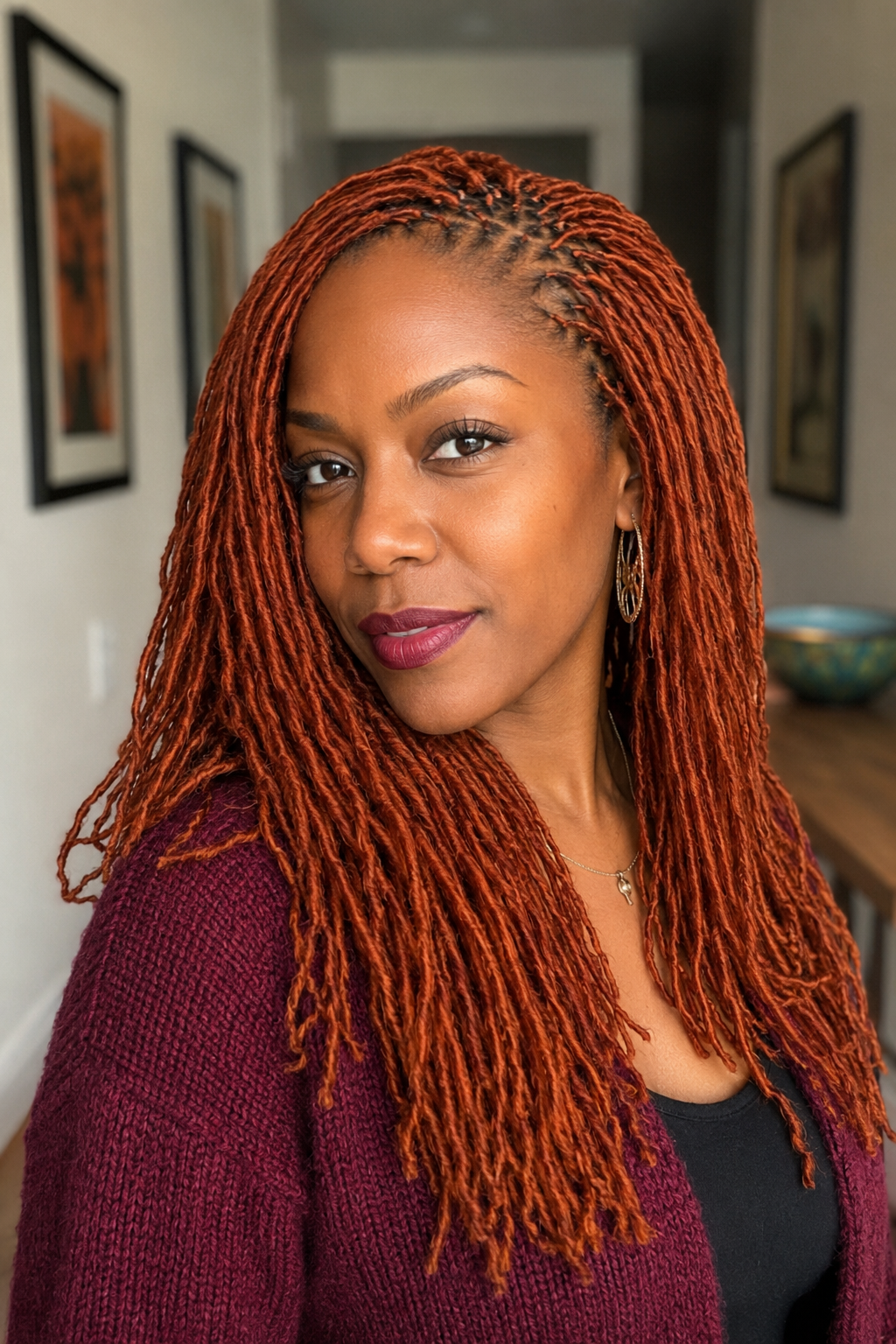
Solid all-over color application, whether copper, burgundy, honey blonde, deep wine, or any other bold shade, gives thin locs a completely transformed look. The color emphasizes the individual grid pattern of each loc, creating a striking dimensional finish. Consult a colorist familiar with locs to protect the loc structure during the coloring process, and use color-safe products between refreshes.
Ombre Thin Locs
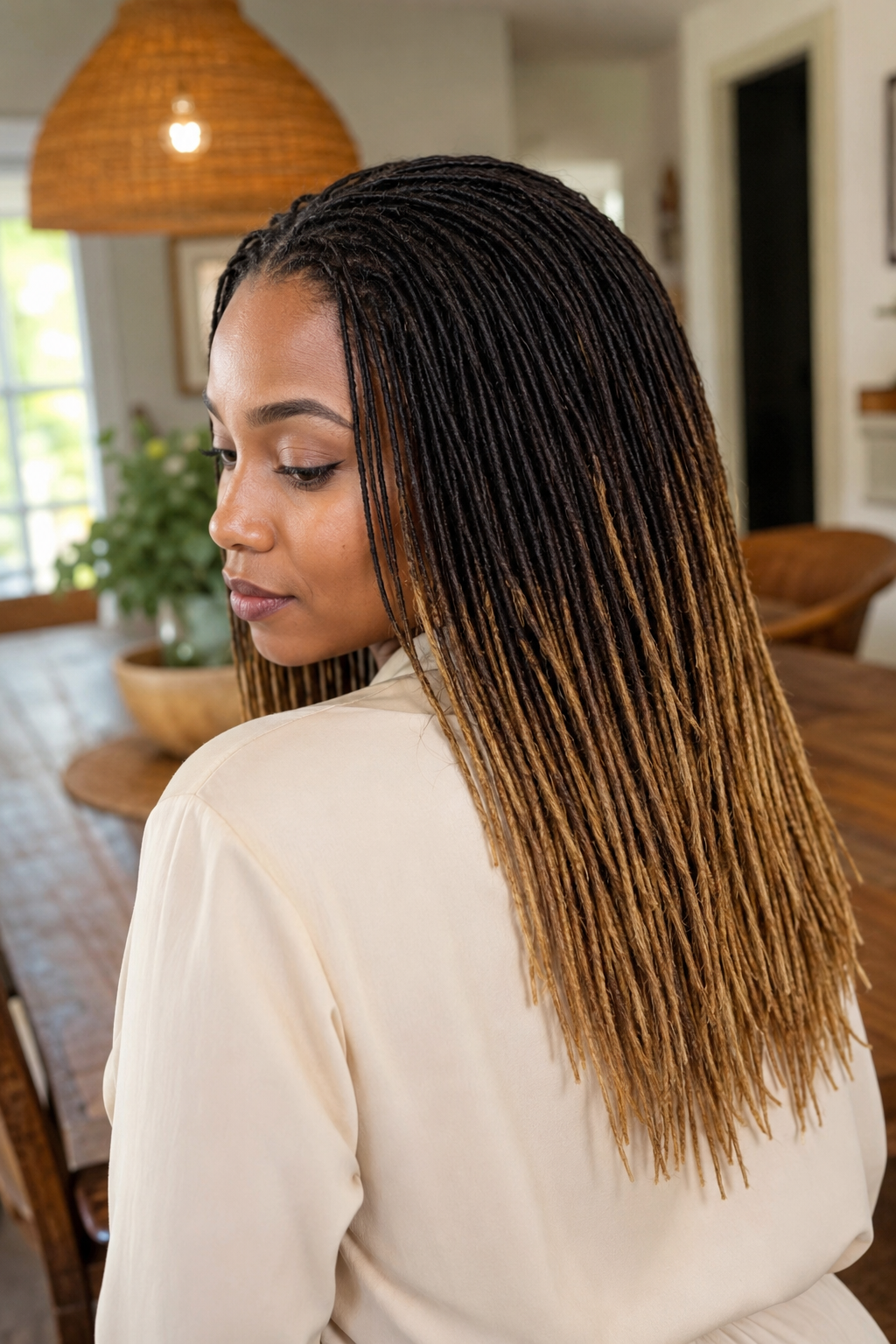
Gradient color starting darker at the roots and fading to lighter shades at the ends creates depth and movement through the length. Ombre on thin locs is especially striking because each individual loc shows its own gradient, multiplying the visual dimension across the whole head. Copper-to-blonde, black-to-caramel, and brown-to-honey are popular combinations. The gradient grows out gracefully over time.
Fulani-Inspired With Cuffs and Beads
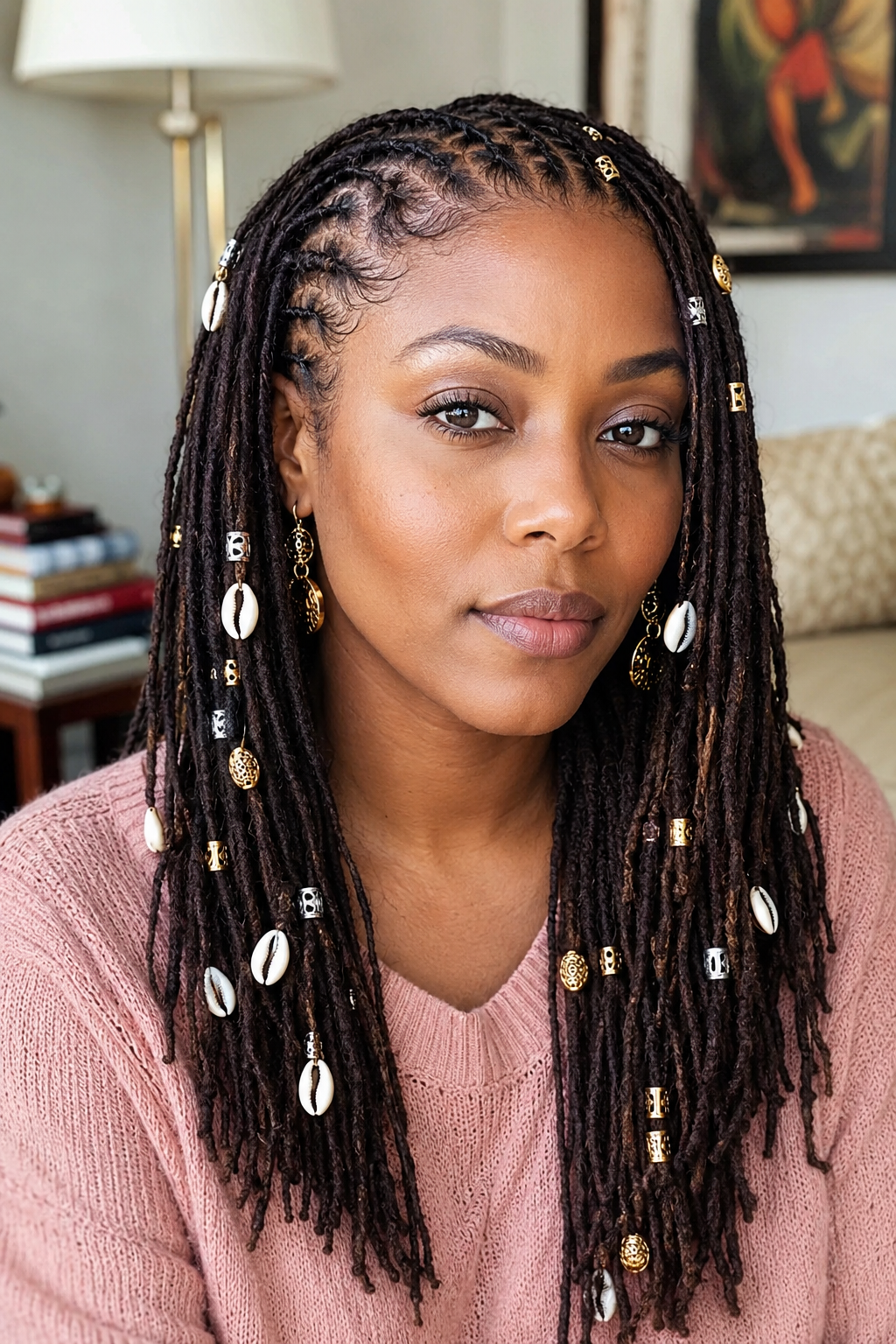
Thin locs adorned with metal cuffs, cowrie shells, or small beads scattered through the length, drawing from Fulani cultural styling traditions. The adornments enhance the visual richness of the locs and honor the West African heritage of decorative loc styling. Choose a few key focal points rather than covering every loc, and let the natural pattern of the locs guide the placement of the accents.
Locs Frohawk
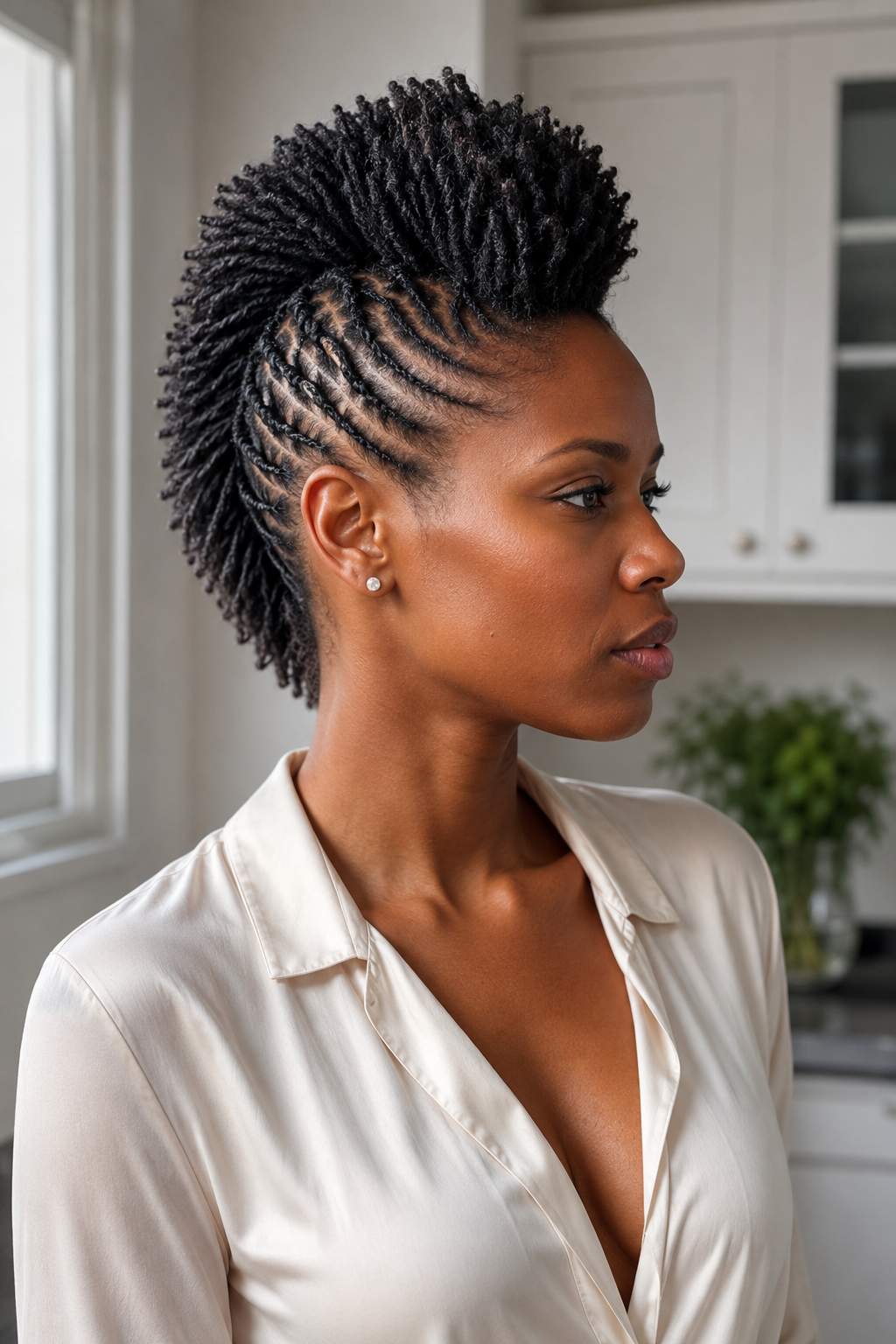
Sides swept back or braided flat with a central strip of locs standing tall down the middle of the head. The frohawk on thin locs creates a modern warrior silhouette that reads bold and expressive. This style is popular for festivals, concerts, and events where a strong statement matters. Twist or pin the side sections flat against the scalp, and let the central strip stand freely with a light setting spray.
Two Braided Pigtails
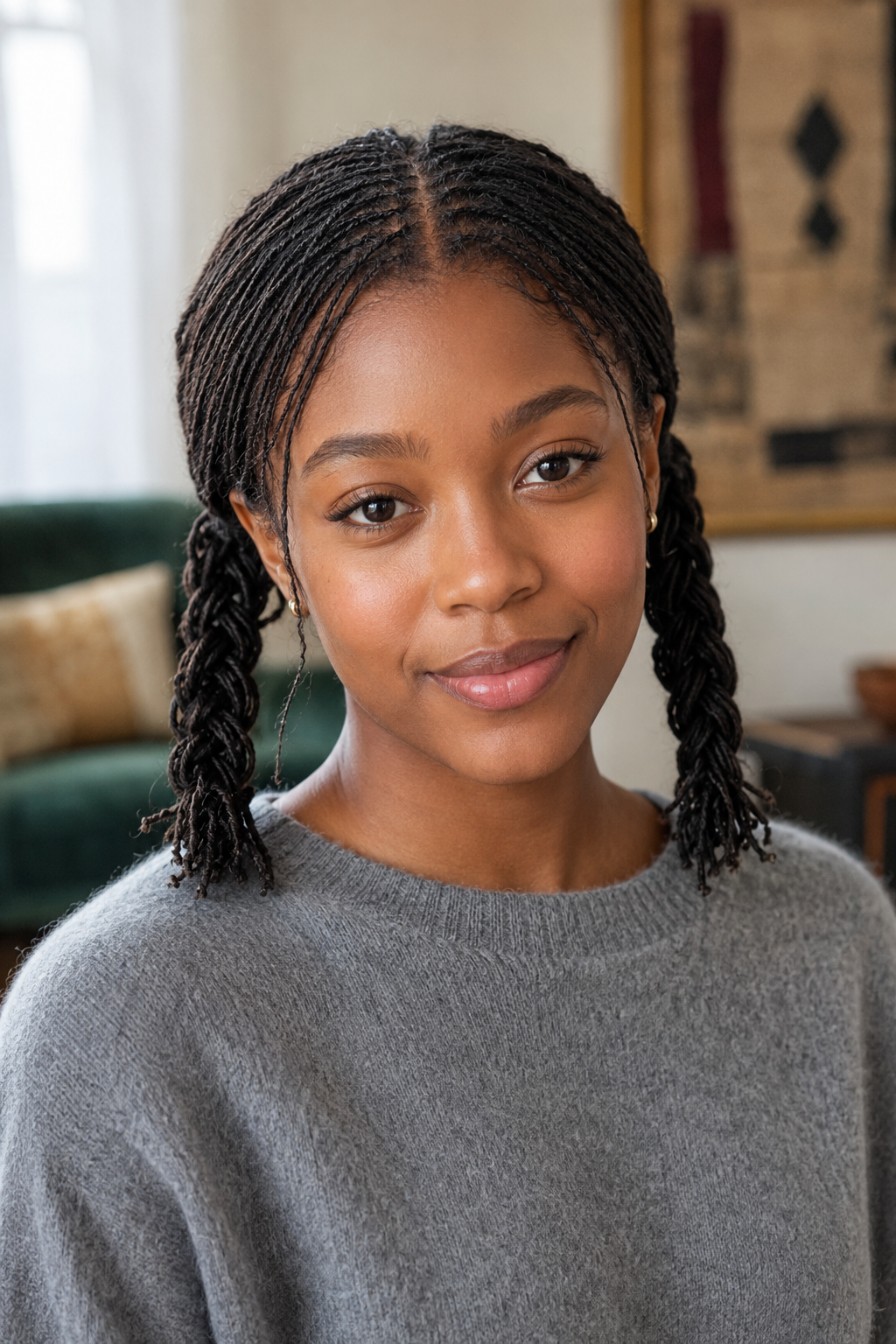
Thin locs parted down the middle and gathered into two braided pigtails, one on each side of the head. The braided finish gives more structure than plain pigtails while showcasing the length and pattern of the locs. This style works for casual weekends, sports events, and youthful, expressive looks. Secure each pigtail at the base and again at the ends with small elastics for a clean structured shape.
Loc Bantu Knots
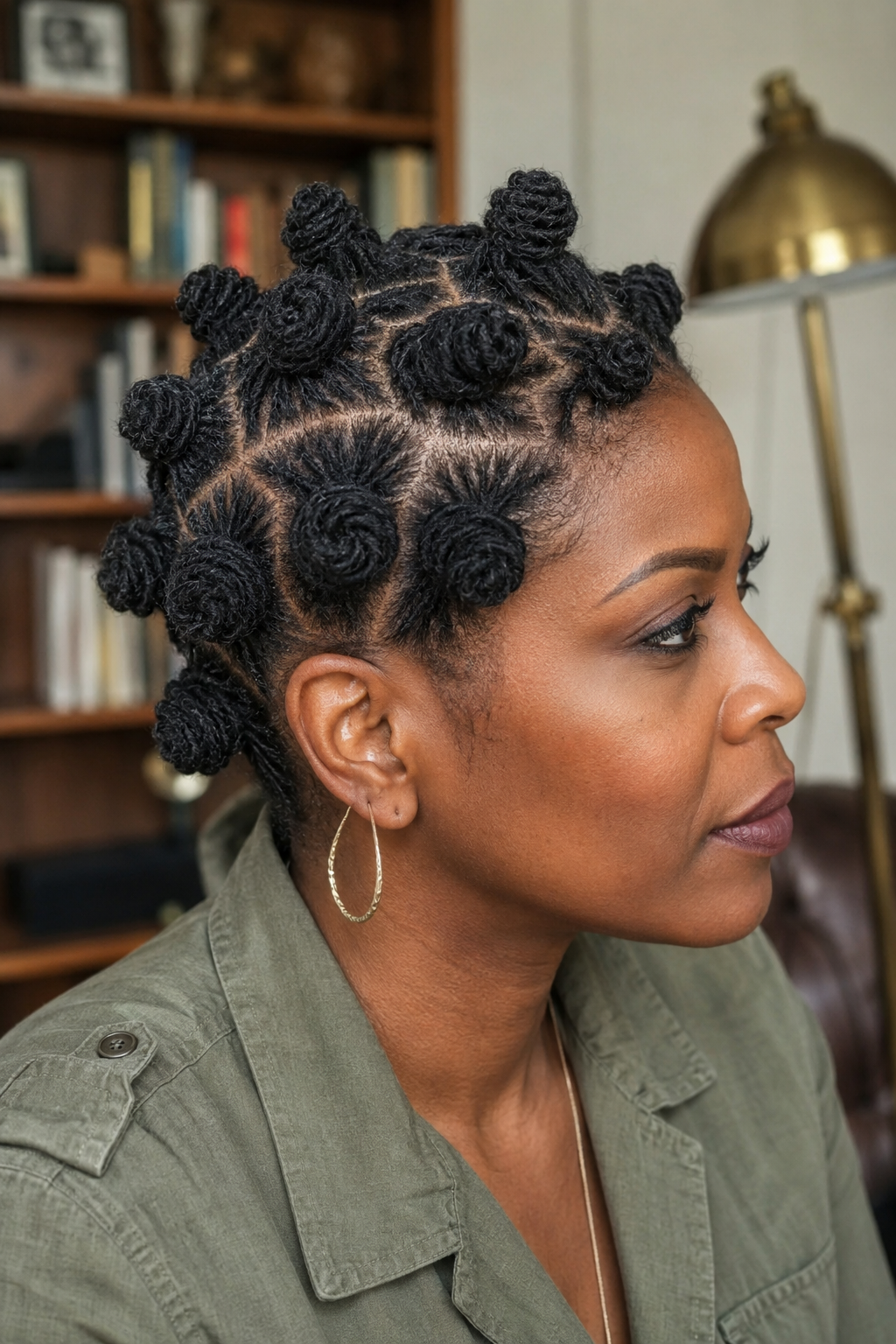
Small twisted knots installed at intervals across the head using the thin locs themselves. The dimensional knots create geometric structure and act as both a style and a curl-setting method for later use. The finished look reads bold and expressive. Section the locs into small squares, twist each section into a small knot at the base, and secure with small elastics until ready to unravel or leave installed.
Comments
No Comments